
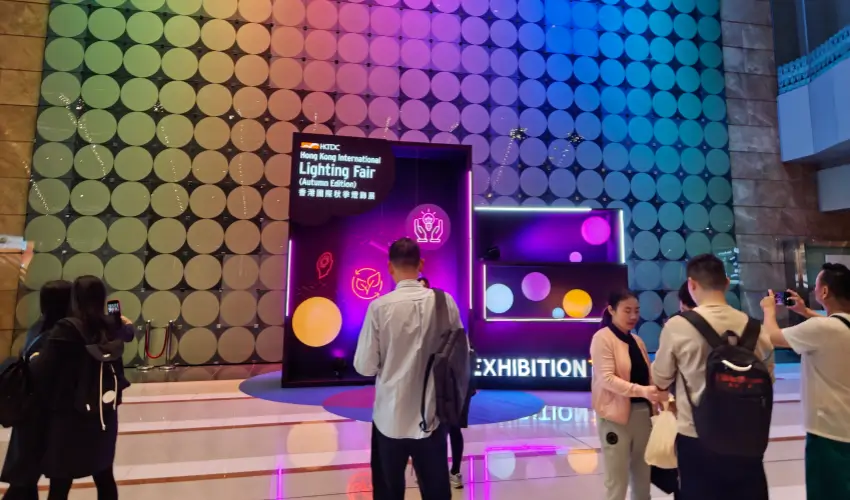

Over the past decade, China has evolved from the world’s largest LED manufacturing base into a major driving force behind global lighting innovation. In 2026, China’s LED lighting market is projected to reach approximately USD 16.95 billion, growing at a CAGR of around 8.17% and surpassing USD 25 billion by 2031.
Driven by strong industrial demand, smart infrastructure investment, energy-efficiency regulations, and the accelerating replacement of traditional lighting systems worldwide, China’s LED market continues to strengthen its global dominance. For businesses across the lighting industry, understanding the direction of China’s LED market is becoming increasingly important.
As a Chinese LED manufacturer with 12 years of industry experience, TUBU hopes this article helps you better understand the current landscape and future direction of China’s LED market.
Global Context: China’s Enduring Dominance
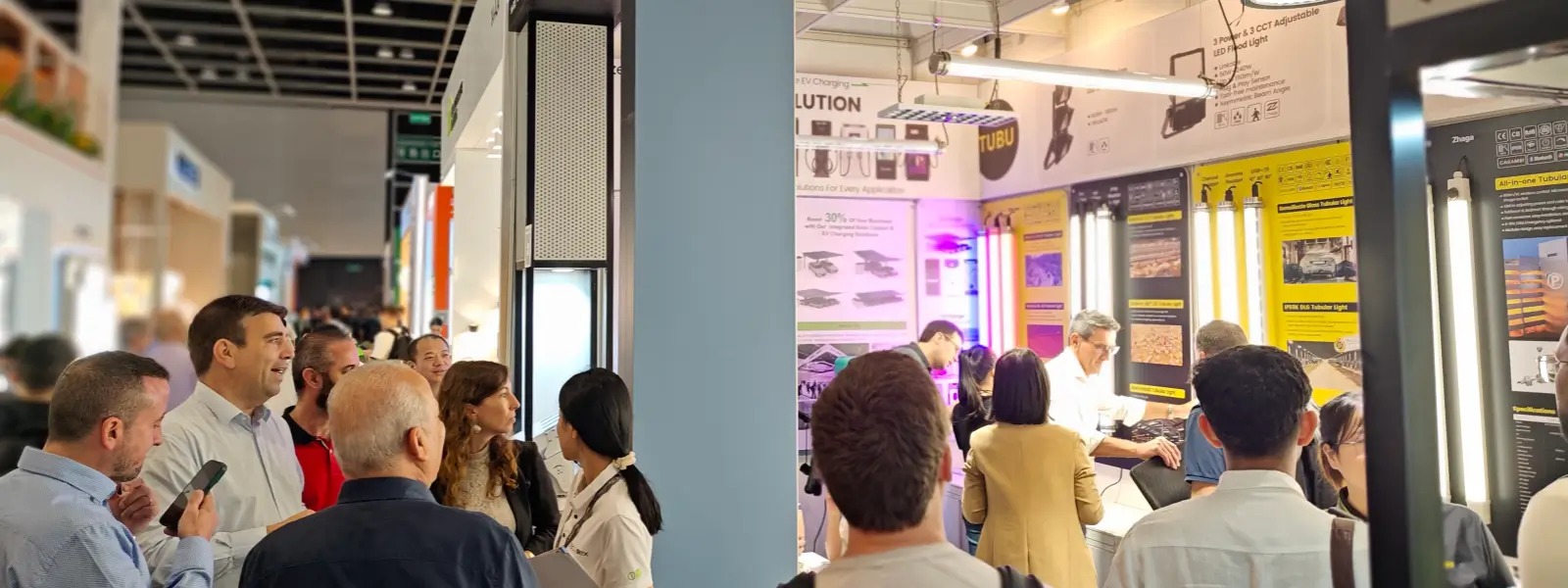
China produces over 80% of the world’s LED units—roughly 125 billion in 2025 alone. This isn’t just volume; it’s vertical integration at a scale unmatched elsewhere. From epitaxial wafers and chips (market size heading toward significant growth in high-end segments) to drivers, optics, housings, and finished luminaires, the supply chain is dense, responsive, and cost-optimized.
For industrial buyers, this means shorter lead times, easier customization, and the ability to move from concept to scaled production faster than sourcing fragmented components globally. In an era of supply chain resilience concerns, having the majority of the ecosystem within a few hours’ drive (primarily in Guangdong and surrounding clusters) is a tangible advantage.
Industrial and Tri-Proof Lighting: Where Engineering Reality Meets Market Growth
While consumer and general lighting drive much of the headline volume, the real engineering opportunity—and margin stability—lies in industrial LED lighting.
Warehouses, food processing facilities, cold storage, livestock farms, marine environments, and high-bay applications demand more than lumens per watt. They require IP69K ratings, IK10 impact resistance, ammonia resistance, precise glare control (UGR<19 or lower), emergency integration, and long-term reliability under harsh conditions.
Chinese manufacturers have invested heavily here. Products like tri-proof (tri-proof) linear fixtures now routinely offer:
- System efficiencies of 150–185 m/W in standard configurations (higher in optimized optics).
- Multiple material options (PC, PMMA, borosilicate glass) with corresponding IK ratings.
- Modular designs supporting linkable installation, DALI, 0-10V, sensors, and central emergency systems.
- Certifications include CE, ENEC, CB, ETL, DLG, IP69K, and more.
These aren’t lab curiosities. They solve real project pain points: high-pressure washdown in food plants, corrosive ammonia in poultry houses, vibration and temperature swings in warehouses, and glare control in commercial or educational spaces.
From an engineering perspective, the shift to higher-spec industrial products is a smart move. Overcapacity in basic panels has compressed margins there, pushing capable manufacturers up the value chain into solutions with better differentiation and stickier customer relationships.
Technology Trends Shaping 2026 and Beyond
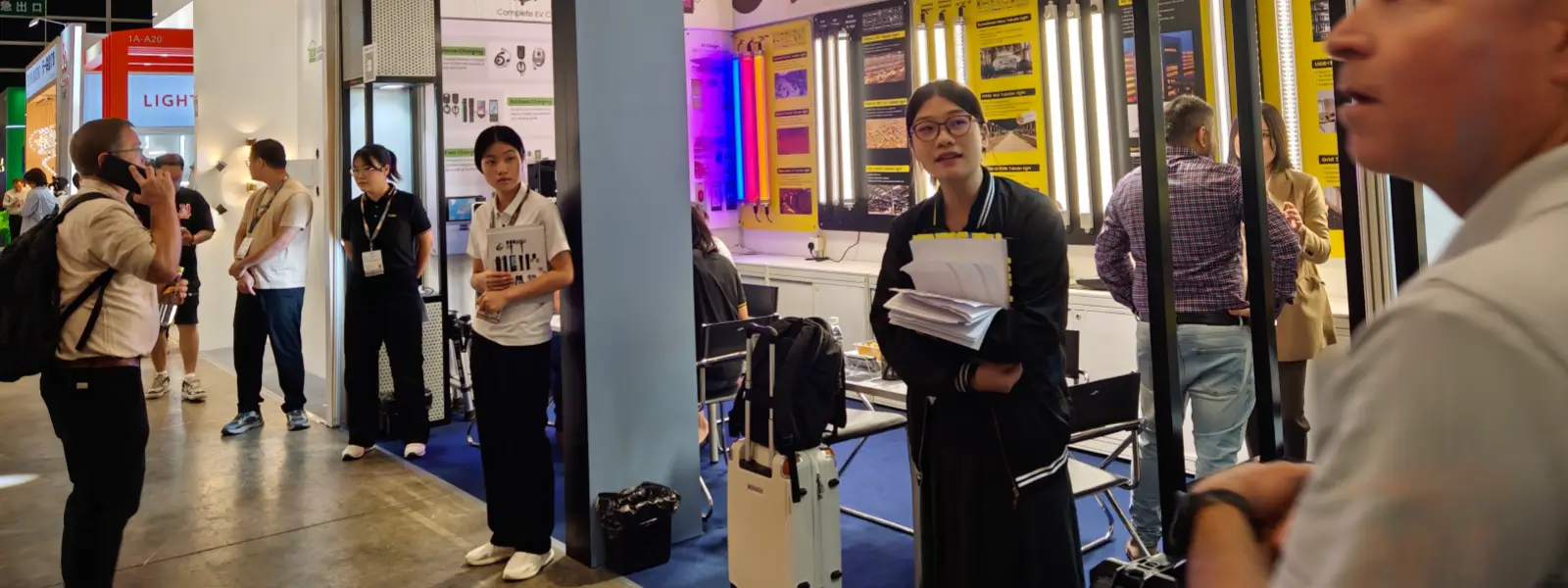
Several shifts are visible on the factory floor and in project specifications:
- Smarter Controls and Integration: DALI, Zhaga, microwave/PIR sensors with daylight harvesting, and group control are becoming standard options rather than premiums. This aligns with Europe’s ErP directives, North American energy codes, and broader smart building mandates.
- Material and Durability Advances: Enhanced PC/PMMA formulations, stainless steel accessories (201/304/316), better thermal management, and surge protection (2kV+). For agricultural and food-grade applications, anti-ammonia, high-CRI, and spectrum-tuned options (e.g., red/white for poultry) deliver measurable productivity gains.
- Sustainability and Longevity: 5-year warranties, L70/L80/L90 claims backed by real testing (LM80, TM-21), modular replaceable engines, and lower THD/PF performance reduce total cost of ownership. Buyers increasingly calculate beyond initial capex.
- Specialized Niches: Marine searchlights with extreme range and rotation, high-bay with precise beam control, grow lights with full-spectrum + IR, and low-glare UGR<16/19 solutions for sensitive environments.
Mini/Micro LED and automotive/display technologies get media attention. Still, for most industrial B2B players, the practical innovations are in robust, application-specific fixtures that survive years of real-world abuse.
Supply Chain Stability and OEM/ODM Reality
One persistent myth is that China is “just cheap.” In 2026, with some input cost pressures and selective price adjustments (5–15% in certain segments), the value equation has matured. What buyers get is unmatched scale, rapid iteration, vertical integration, and engineering support that many Western suppliers can’t match economically.
Reliable Chinese partners offer:
- Low MOQ flexibility combined with massive scaling capability.
- In-house or partnered testing (integrating sphere, goniophotometer, IP/IK chambers, salt spray, thermal, etc.).
- OEM/ODM customization—from length, power, optics, and connectivity to private labeling and packaging.
- Stable component supply even during global disruptions.
For distributors and brands, this translates to competitive landed costs, faster time-to-market for new SKUs, and the ability to offer differentiated solutions without betting the farm on tooling.
How TUBU Sees the Future of the LED Market
At TUBU, we specialize in industrial, agricultural, high bay, flood, and marine lighting solutions — rather than chasing short-term consumer lighting trends.
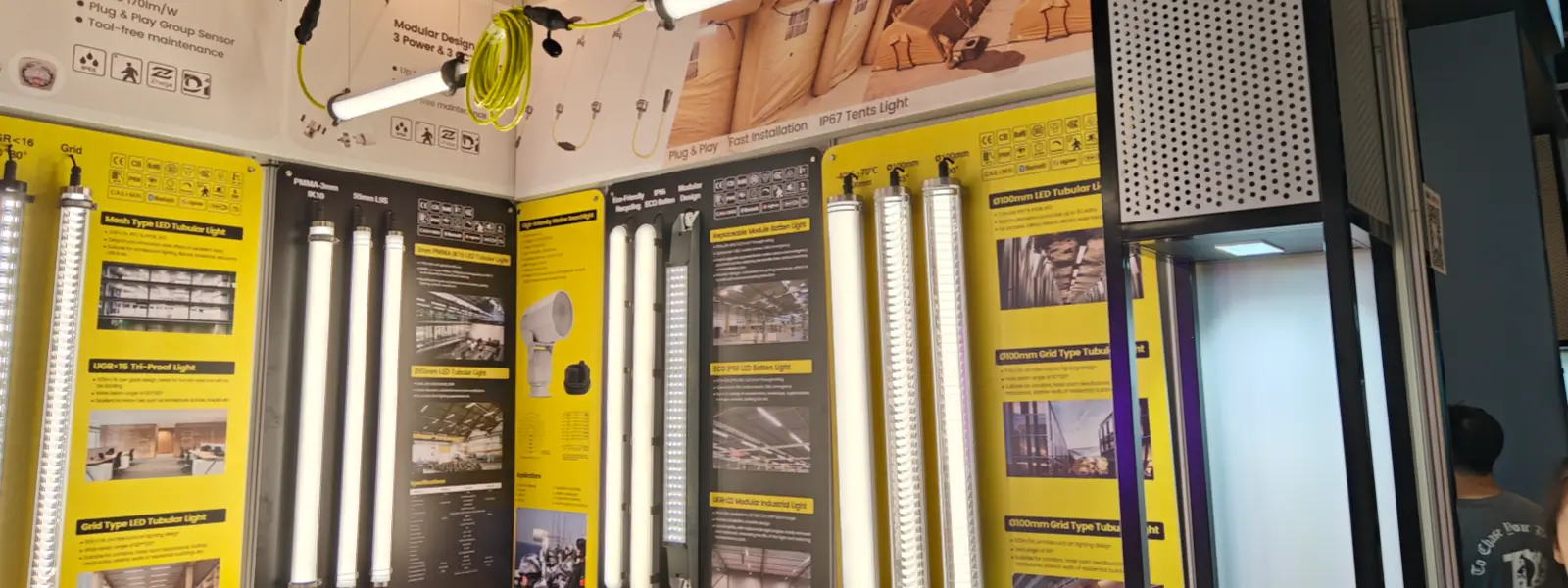
Our tri-proof lighting series (L9, L10, and L11), low-glare Grid series, food-grade glass versions, and specialized agricultural and marine fixtures are engineered specifically for some of the harshest operating environments.
We maintain key international certifications, including:
- ISO 9001 / ISO 14001
- IP69K
- IK10
- ENEC
- CB
- ETL
All products undergo rigorous in-house and third-party testing to ensure long-term reliability and compliance.
We believe 2026 will be a year of further industry consolidation. Manufacturers with strong R&D capabilities, vertically integrated production, and customer-focused engineering support will continue gaining market share.
In the years ahead, the real industry leaders will be the companies that help customers:
- Reduce the total cost of ownership
- Meet increasingly strict regulatory requirements
- Deliver consistent, real-world performance in demanding applications
Why Partnering with a Mature Chinese LED Manufacturer Still Makes Sense
For European and North American buyers, the math remains compelling. China’s ecosystem delivers:
- Cost structures that support aggressive project bidding without sacrificing margin.
- Speed and flexibility for custom or semi-custom runs.
- Access to the latest practical innovations in durability and controls.
- A partner ecosystem that understands global compliance and logistics.
The risks—quality variability, communication, IP protection—are real but manageable with the right partner: one with transparent processes, experienced export teams, proven project references, and a track record of 5-year warranties honored in the field.
Conclusion
Bottom line for 2026: China’s LED market will be big—well over USD 16 billion and growing steadily—not because of hype, but because of deep industrial demand, policy support for efficiency, smart city and infrastructure projects, and export strength. For B2B professionals, it represents both a massive sourcing base and a competitive differentiator.
If you’re evaluating suppliers for tri-proof, high-bay, linear industrial, agricultural, or marine solutions, the conversation should go beyond price per watt. Ask about real-world L90 performance, surge and corrosion testing, customization bandwidth, and long-term supply security. The right Chinese partner doesn’t just ship product—they help you win and retain projects.
We at TUBU welcome those conversations. Whether you need standard catalog solutions, Dialux simulations, custom configurations, or a long-term OEM relationship, our engineering and sales teams are ready to support your requirements for 2026 and beyond.
The China LED story in 2026 isn’t about size alone. It’s about capability, resilience, and the continued value of deep manufacturing expertise applied to real engineering challenges.
What specific industrial or application challenges are you tackling in your projects this year? Feel free to reach out—we’ve likely already solved something similar.