
Frequently Asked Questions (FAQ)
FAQs for Tri-proof Lights, Floodlights, Marine Searchlights, and LED Lighting.
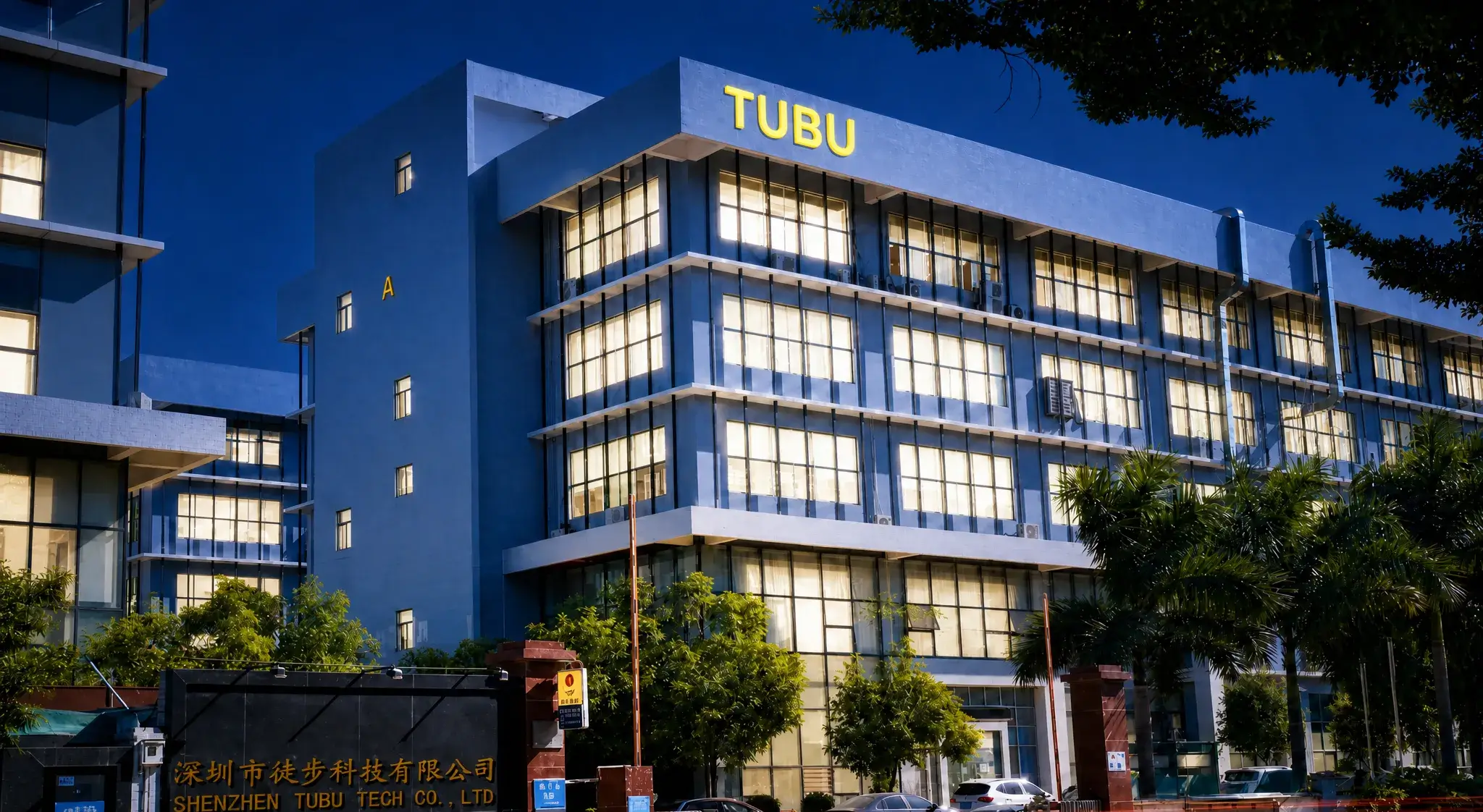
TUBU LED Lighting
1. Long Service Life: More than 5 times longer than laser light sources, 30 times longer than xenon light sources, and 60 times longer than halogen light sources.
2. Solid-State Light Source: Resistant to vibration, explosion-proof, and highly durable.
3. Fast Response and High Controllability: No warm-up time required, with instant start-up and flexible control.
4. High Luminous Efficacy and Excellent Directionality: Delivers twice the luminous efficacy of xenon light sources and four times that of halogen light sources.
Anti-glare lenses provide precise light control, reduce direct stray light, and improve optical efficiency. They can achieve lower UGR values, with 10%–20% higher luminous efficiency compared with glare shields.
Glare shields offer a more cost-effective solution, with easier installation and maintenance. They can also provide stable glare reduction in different installation environments.
Yes. We conduct professional transportation vibration testing in accordance with IEC 60068-2-64 to evaluate product reliability during transportation.
We offer a comprehensive range of marine lighting solutions, including:
- LED Tri-proof Lights: L9 Series and L10H Series.
- LED Searchlights: Our full range of LED marine searchlights.
- LED Floodlights: TG5 Series.
Tri-proof Lights
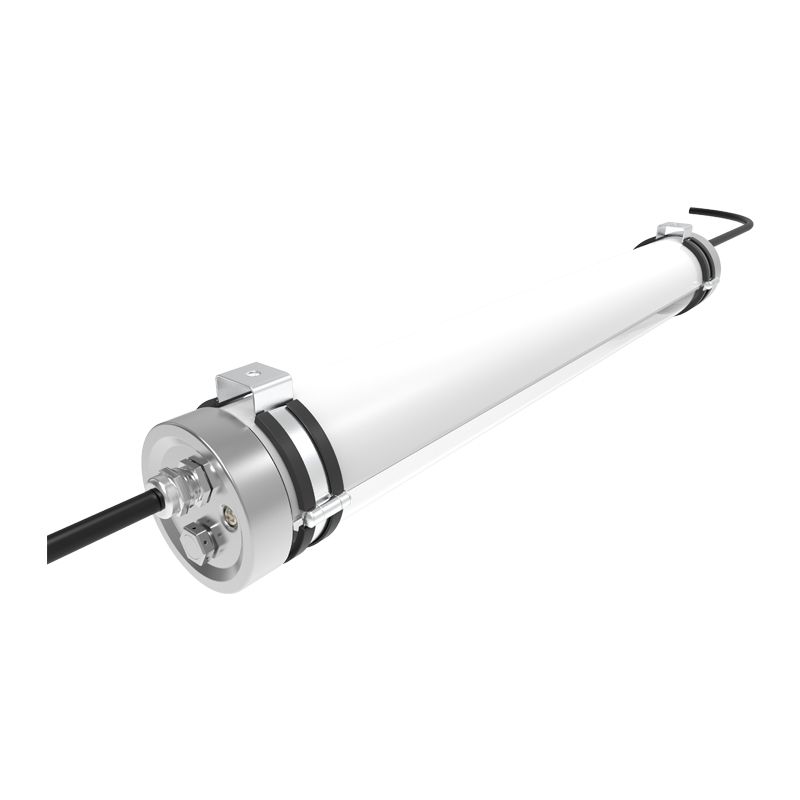
Yes. The appropriate solution depends on the ambient temperature and product configuration. Different drivers have different low-temperature operating limits. For applications at -30°C or below, solutions such as low-temperature-rated drivers, external drivers, and specially selected components may be required. The L9 low-temperature solution can include low-temperature electrolytic capacitors, potted drivers, anti-sulfurization LED chips, and low-temperature-resistant cables.
This depends on the model, LED chips, and driver configuration. The L11 uses 3030 LED chips for applications at 50°C, while the standard 2835 LED configuration is not recommended for this environment. For the L9 glass-cover version, an external driver can be considered for high-temperature applications. An integrated driver may significantly reduce its service life under such conditions.
The suitable model depends on the installation environment, housing material, and protection requirements. The L11 is not recommended for direct outdoor use or environments such as swimming pools and car wash facilities. The L9 series is a more suitable option. PMMA covers and 316L stainless steel components can also be evaluated for specific environmental requirements.
The L9 can be evaluated for C4 corrosion resistance with the appropriate 316L stainless steel configuration. It also has IEC 60068-2-64 transportation vibration test records. The applicable corrosion classification and test documentation should be confirmed according to the final product configuration.
Yes. A compatible configuration can be evaluated. For central emergency lighting systems, the luminaire can be supplied without an integrated emergency battery. However, the driver must meet the system's electrical requirements. The system voltage and applicable standards should be confirmed before installation.
Yes. Emergency battery configurations depend on the luminaire length, power rating, and available internal space. For example, the L9 low-temperature emergency version may require customized low-temperature batteries. Due to space limitations, the 0.6 m L9 cannot accommodate the originally specified 5 W, 3-hour emergency configuration. A 2.5 W, 3-hour configuration can be considered instead.
According to the existing L10-O configuration records, the emergency battery is tested once a year after 10,000 operating hours, with three tests in total. The original technical records indicate that this testing does not affect the product's service life.
The L9 supports 1–10 V dimming, with the output adjustable down to approximately 3%–5% of its rated power. The available dimming range should be confirmed for each model and configuration.
Yes. The L9 can be configured with a MERRY daylight-sensing dimming sensor or an external IP65 daylight sensor. The L11 can also be developed with group sensors featuring daylight-sensing priority. Please note that the metal grille structure of the L9 may weaken sensor signals and affect detection performance.
These control options can be evaluated according to the model and driver configuration. The L9 has DALI-compatible solutions, while the L10-S can be configured with Casambi. Zigbee solutions may use built-in modules or external converters, depending on the required power rating and gateway configuration.
Yes, depending on the model. Different lens options can be evaluated to achieve the required light distribution. However, some special beam angles may not be achievable exactly as specified. For example, the L9 can be configured with lenses for wider light distribution, while the L10-O can be customized to achieve a beam angle close to the target specification.
Glare performance can be optimized through lens selection and anti-glare structures. The L18 can be evaluated for a UGR19 configuration without a reflector cup, subject to the required product dimensions and production conditions. Different diffusers and optical designs will result in different UGR performance.
Yes. The connection method depends on the model. The L9 can use in-line connectors for continuous installation, while the L18 can be customized with double cable glands at one end. The connection structure and waterproof design must be confirmed for each model.
This depends on the product series. The L18 uses a stamped metal structure and is available in standard lengths of 0.6 m, 1.2 m, and 1.5 m. Other dimensions require further evaluation. The L9 heat sink structure can be cut to accommodate different lengths.
PC (Polycarbonate): Light transmittance (approximately 92%). Offers excellent impact resistance, toughness, and heat resistance, making it suitable for industrial environments where mechanical protection and durability are essential.
PMMA (Acrylic): Provides higher light transmittance (approximately 95%) and better surface hardness, scratch resistance, and natural UV resistance. It maintains optical clarity well over time, making it suitable for applications requiring high light transmission and long-term weatherability. However, it is more brittle and less impact-resistant than PC.
Searchlight
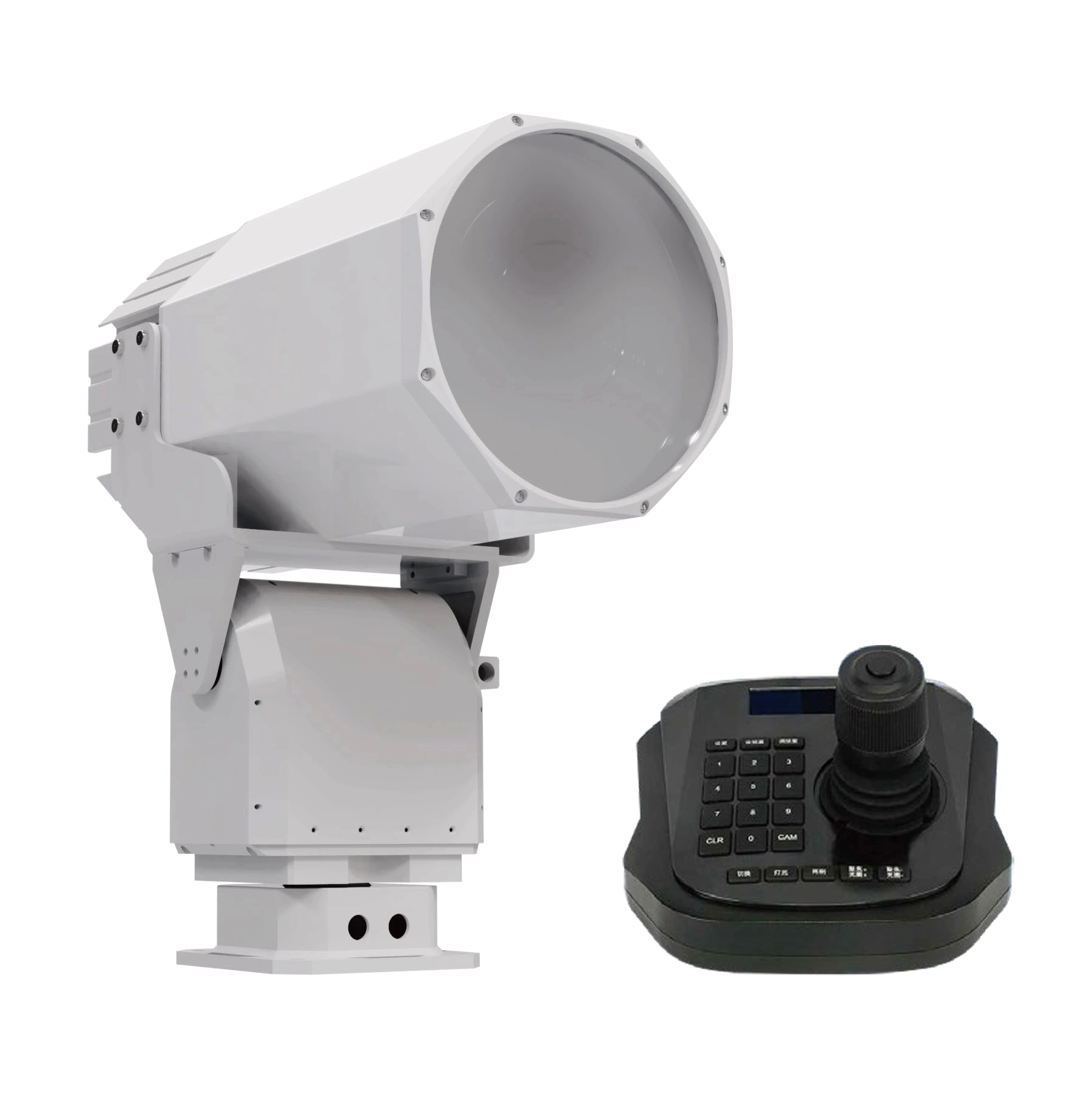
- Lower Operating Temperature: LED searchlights generate less heat during operation and can achieve passive (natural) heat dissipation through a cold-forged aluminum housing. In contrast, halogen searchlights operate at much higher temperatures and typically require active cooling.
- Lower Power Consumption: Compared with halogen searchlights, LED technology can reduce energy consumption by 75% or more. Our T2 series consumes only 160W, delivering performance comparable to a 1,000W halogen searchlight, while the T3 series consumes 300W, comparable to a 2,000W halogen searchlight.
Yes. Two searchlights can be connected in parallel before being connected to the control panel, allowing one panel to control both units.
A longer handle can be custom-made to accommodate the position change, with extended internal fixing screws to ensure secure installation.
Yes. Our marine searchlights support 24V DC operation without additional cost.
No. Our marine searchlight does not currently support wireless radar remote control. However, we offer wired radar control using the RS484 communication protocol, as well as wireless RF signal solutions.
Male and female connectors can be ordered to extend the connection cable. There is no specific maximum connection distance.
Yes. This is possible by using a split-type (external) power supply, which can be installed inside the ship's cabin to allow remote control of the searchlight's on/off function.
The searchlight supports RS422 communication. However, our control panel does not support RS422 feedback. It can only send control commands and cannot receive feedback signals from the searchlight.
RS485 interface.
Yes. Different light source configurations can be evaluated according to project requirements. For example, the T3 can be configured with a 5000K color temperature, and customized green light is also available for bird deterrence applications.
Floodlights
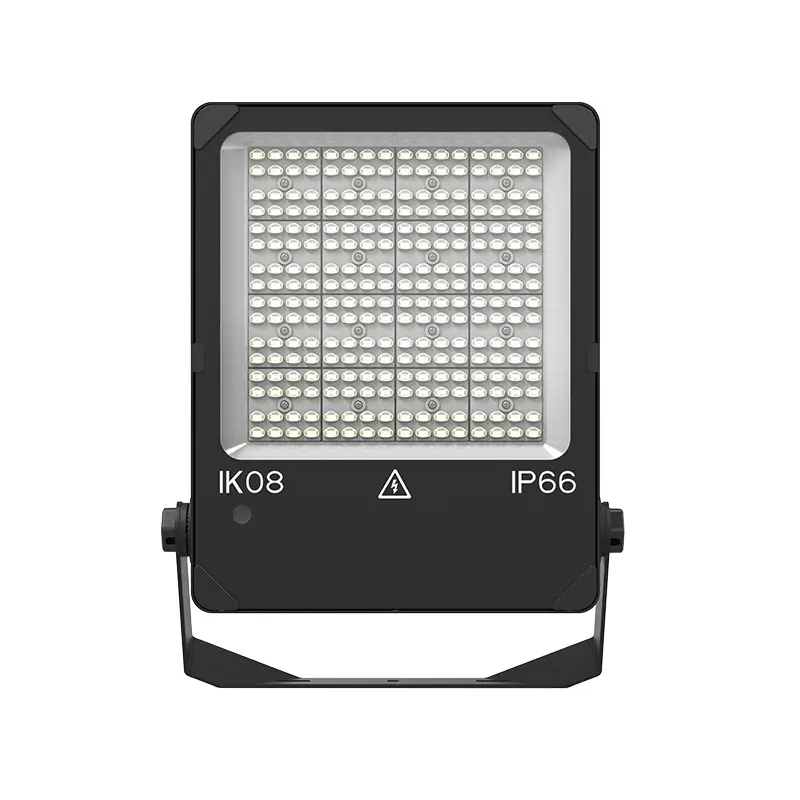
The TG5 supports different beam angle configurations through lens replacement. For the TG4, lens replacement has certain limitations. Unauthorized replacement by customers may affect the product warranty.
The TG4 can be evaluated for RGBW configurations. However, the control method must be considered. According to the existing technical records, RGBW configurations do not support DALI dimming and can instead use DMX control.
The TG5 currently supports 0–10 V dimming and can also be evaluated for Zhaga-based control solutions. The DALI version uses a DALI 2 converter.
The TG4 can be customized for a DC input range of 170–250 V. The final configuration should be confirmed according to the required power rating and driver specifications.
The TG4 can be adapted to specific temperature requirements by using an external driver or reducing the power output. The appropriate solution depends on the target ambient temperature and required power rating.
The TG5 can be configured for different corrosion resistance requirements. Existing technical records include C4 and C5 options. Higher corrosion resistance requirements can also be evaluated using 316 stainless steel components, although some configurations may require new tooling.
The TG5 has existing 500-hour and 1,000-hour salt spray test reports. If a project requires a longer test duration, additional testing can be evaluated according to the specified requirements.
European Warehouse
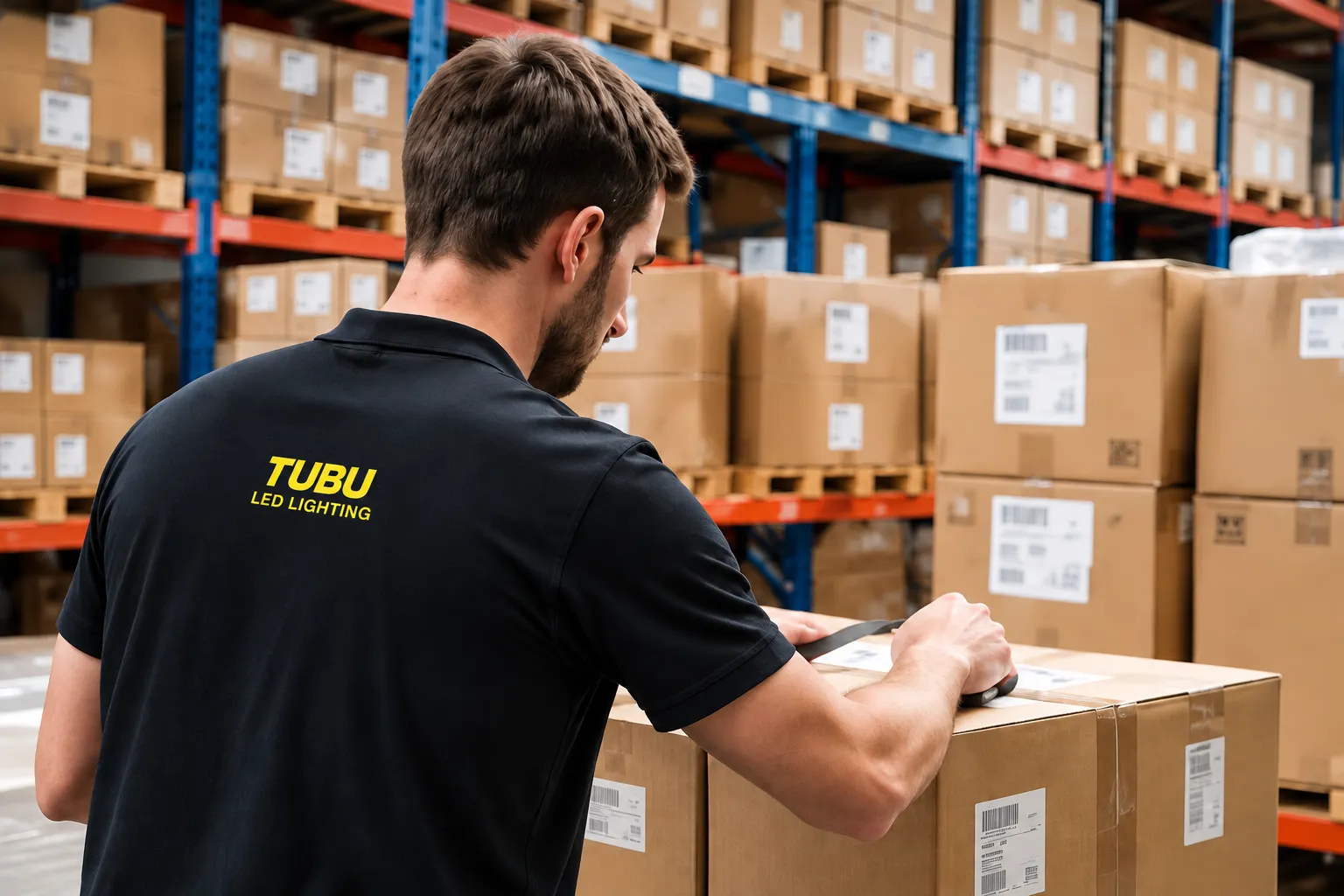
Our European warehouse is located in the Netherlands, providing convenient stock availability and faster delivery for European customers.
Some products are available in stock, including LED tri-proof lights and LED floodlights. For specific models and current stock availability, please visit our European Warehouse page for more details.
The minimum order quantity is one carton. Orders are dispatched within 3 days after payment is received, subject to stock availability and order requirements. Fast DPD delivery is available.
The standard DLG series stocked in the Netherlands does not currently include emergency lighting. Emergency versions can be supplied from our factory in China, with expedited order support available.
Submit Your Request
We’re always excited to hear from you, so feel free to get in touch, and we will reply within 2 hours.