
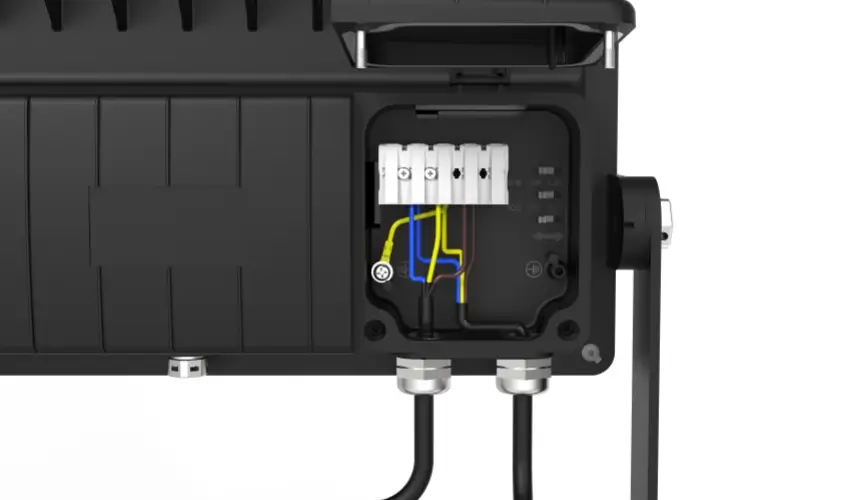

In the LED lighting industry, efficient dimming technology is essential for improving energy efficiency, enhancing user comfort, optimizing visual performance, and meeting modern building standards.
In this article, we'll take a closer look at four common dimming technologies—0/1-10V, PWM, Rx, and DALI—and explore how each one works, along with their key applications and advantages.
0/1-10 Dimming
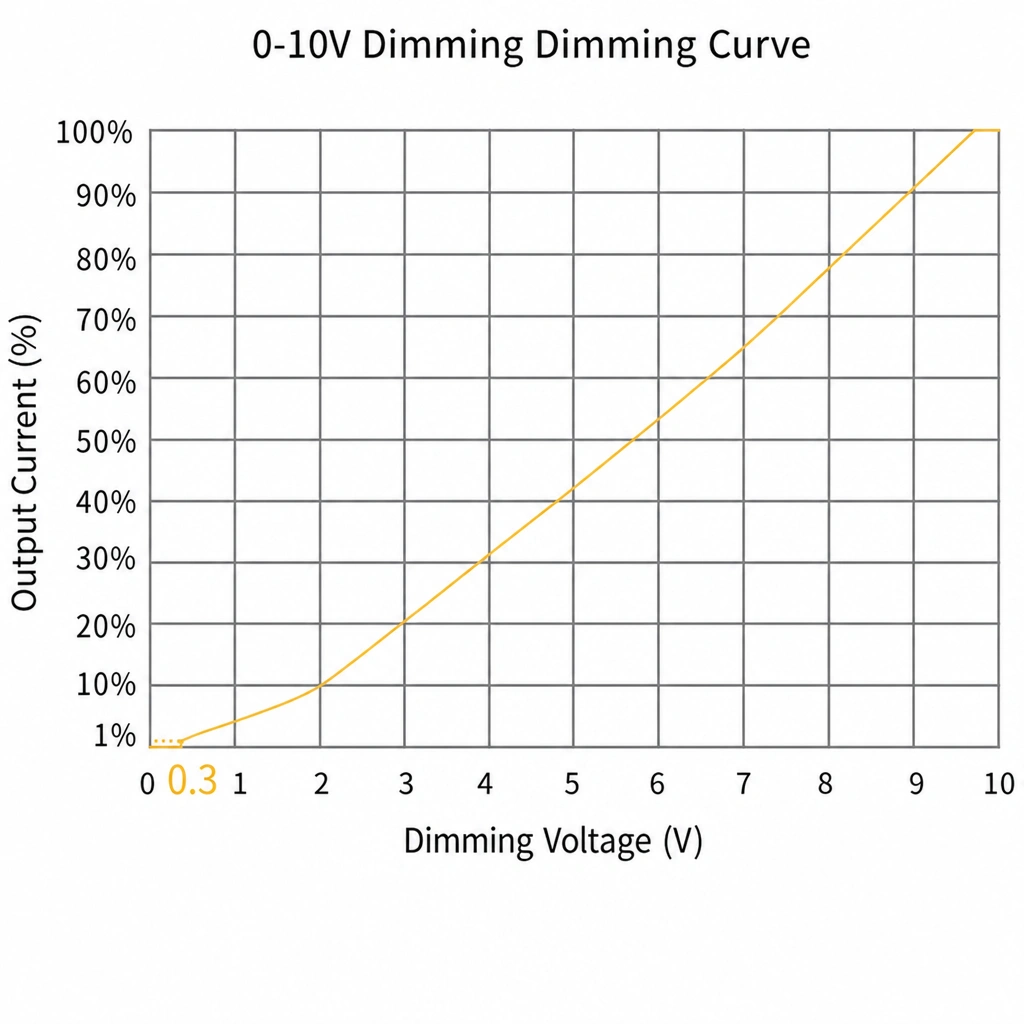
0-10V
0-10V dimming is one of the most widely used analog dimming methods in commercial and industrial LED lighting. It transmits a low-voltage DC signal (0–10V) over dedicated control wires to the LED driver, which proportionally adjusts output current to control brightness.
- Working Principle: 10V corresponds to full output (100% brightness). At 0V, quality drivers deliver true dim-to-off capability. The signal is stable and suitable for long cable runs.
- Advantages: Simple 2-wire installation, reliable performance, flicker-free operation, and strong compatibility with building management systems.
1-10V
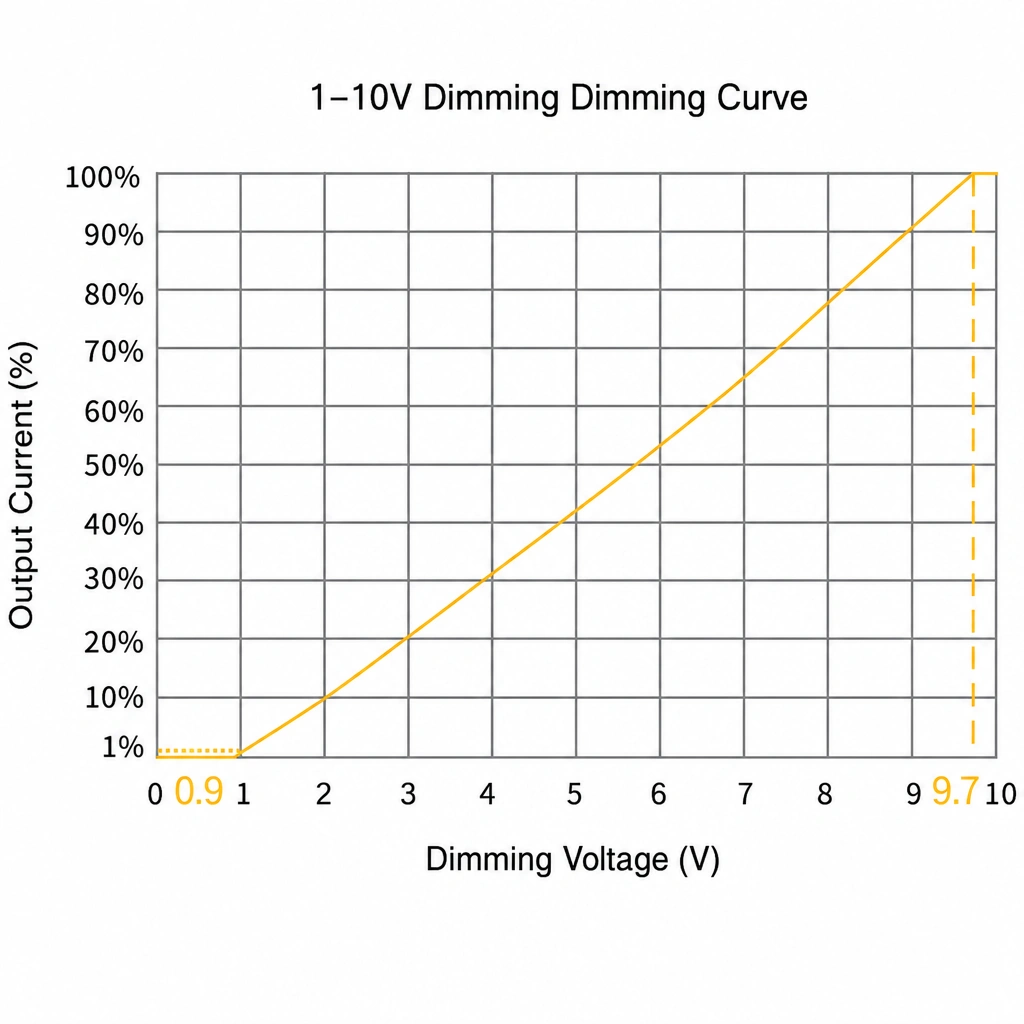
1-10V dimming is a similar analog protocol (often aligned with IEC 60929 standards) but differs in operating.
Recommended Solutions
For TUBU L9 and L10 series tri-proof lights, 0-10V dimming is an excellent choice for warehouses, factories, food processing plants, and parking facilities. Pair it with IP69K-rated models and high-efficiency optics (up to 170lm/W) to enable centralized brightness control while maintaining robust protection and energy savings in harsh environments.
PWM Dimming (Pulse Width Modulation)
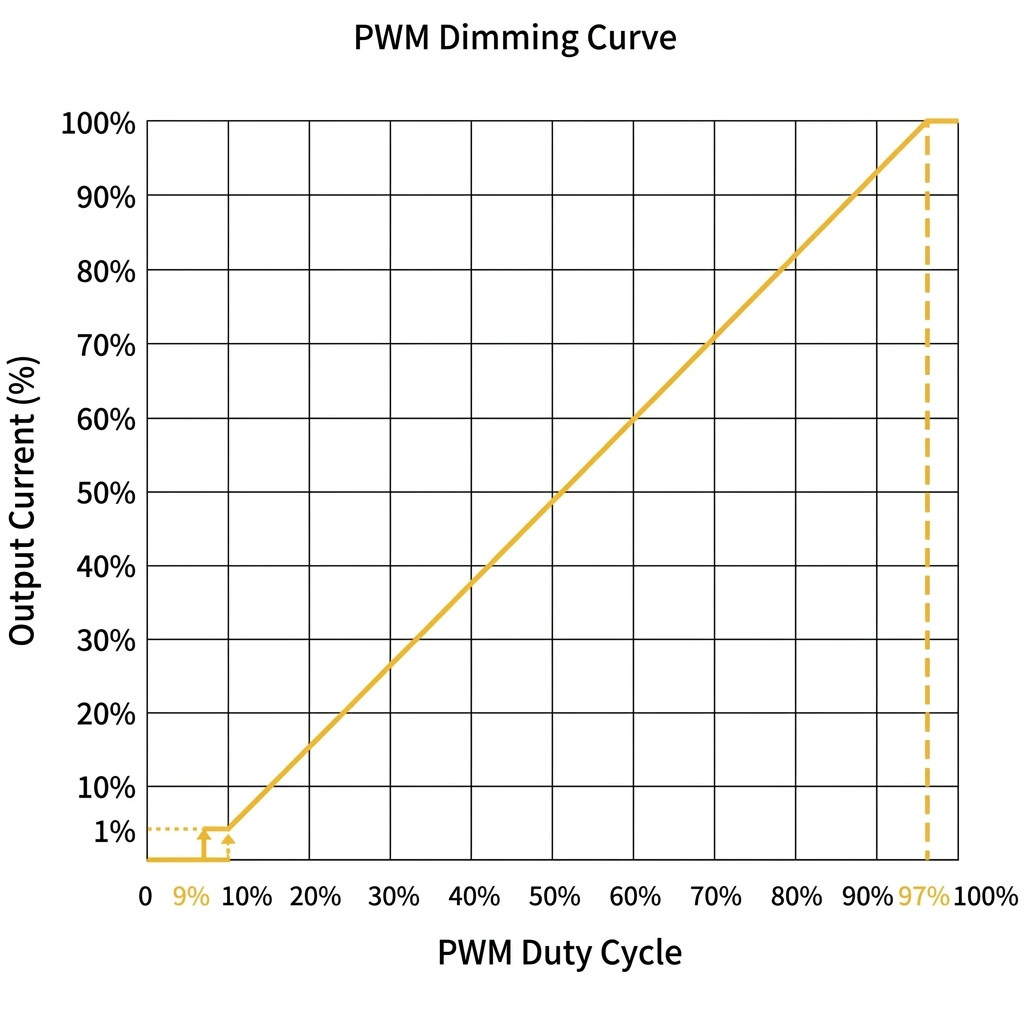
PWM dimming is a precise digital technique that rapidly switches the LED current on and off at high frequencies (hundreds to thousands of Hz). Brightness is regulated by adjusting the duty cycle — the percentage of time the LEDs remain on within each cycle.
- Example: A 40% duty cycle produces approximately 40% perceived brightness.
- Advantages: Superior linearity, minimal color shift, excellent low-level dimming, and virtually flicker-free performance when implemented correctly.
Recommended Solutions
Ideal for TUBU low-glare models (UGR<19) and agricultural lighting series. In poultry farming or plant growth applications, PWM ensures stable spectral output that supports biological needs while maximizing system efficiency. Combine with TUBU’s high-CRI options for consistent, comfortable illumination.
Rx Dimming (Resistance / Potentiometer Dimming)
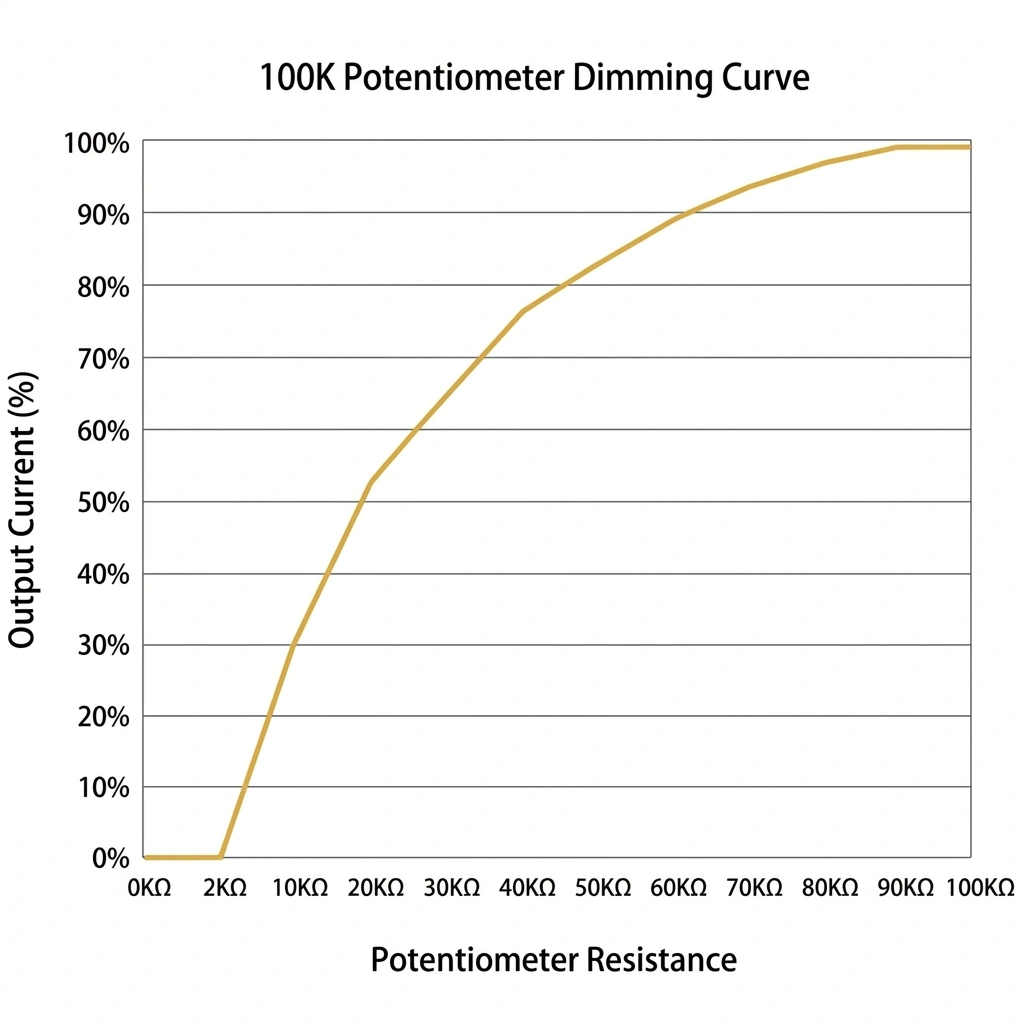
Rx dimming controls brightness by varying resistance in the control circuit, typically using a simple potentiometer (variable resistor).
- Working Principle: Adjusting the potentiometer changes resistance, which the driver interprets to modulate output current. Commonly featured in multi-mode (“three-in-one”) drivers.
- Advantages: Very low cost, no external power needed for the controller, and highly intuitive for manual operation.
Recommended Solutions
Best suited for smaller-scale TUBU installations or as a local override. Apply it with L10 and L11 series fixtures in workshops, storage areas, or cost-sensitive projects where simple on-site tuning is preferred over full automation.
DALI Dimming (Digital Addressable Lighting Interface)
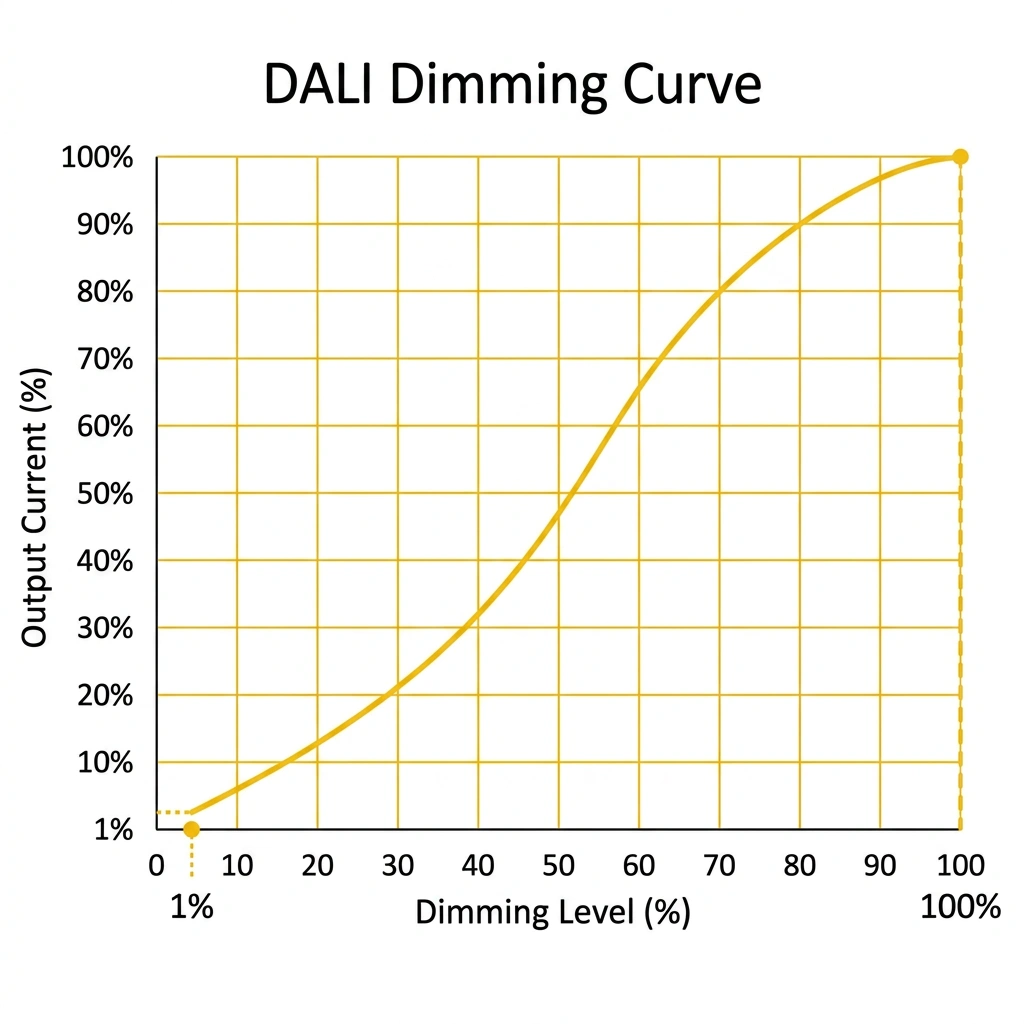
DALI (including DALI-2) is a professional bidirectional digital protocol that uses a 2-wire bus for communication. It supports individual or group addressing (up to 64 devices per loop), scene setting, status feedback, and advanced system integration.
Working Principle: Digital commands control dimming levels (0.1%–100%), while luminaires report real-time data such as power consumption, faults, and temperature. It enables daylight harvesting, occupancy sensing, and scheduling.
Key Advantages: High precision with a logarithmic dimming curve (aligned with human vision), excellent scalability, predictive maintenance capabilities, and seamless integration with building management systems (BMS).
Recommended Solutions
Perfect for large-scale TUBU projects. Combine DALI-compatible drivers with L9 and L10 series tri-proof lights in smart factories, supermarkets, hospitals, or agricultural facilities. This setup leverages emergency integration, group control, high IK10/IP69K protection, and central emergency system compatibility for energy-optimized, fully compliant installations.
Quick Comparison Table
Technology | Type | Dim Range | Precision | Recommended TUBU Applications | Cost Level | Scalability |
0-10V | Analog | 0–100% (true off) | Good | Warehouses, tri-proof (L9/L10), centralized control | Low | High |
1-10V | Analog | ~10–100% | Good | Retrofits with separate switching | Low | High |
PWM | Digital (pulse) | 0–100% | Excellent | Low-glare, farm & poultry lighting | Medium | Medium |
Rx | Resistance | Varies | Fair | Simple manual control in L10/L11 | Lowest | Low |
DALI | Digital (bus) | 0.1–100% | Excellent | Smart buildings, large industrial & commercial projects | Medium-High | Very High |
Engineering Tip: Multi-protocol drivers that support several dimming methods provide excellent future-proofing. Start with 0-10V or Rx for budget-conscious projects and scale to DALI as requirements grow, all while benefiting from TUBU’s durable mechanical design, stainless steel components, high-transmittance covers, and modular features.
Conclusion and Recommendations
Choosing the right dimming technology requires balancing project scale, budget, smart integration requirements, and environmental conditions.
TUBU luminaires support multiple dimming options, providing the flexibility to adapt to a wide range of applications while ensuring high energy efficiency, low maintenance costs, long-term reliability, and compliance with modern lighting standards.
Need project-specific support? Contact us. Our team can provide Dialux simulations, driver compatibility assessments, and customized configuration solutions to help you create a smarter, more efficient lighting system tailored to your project requirements.