
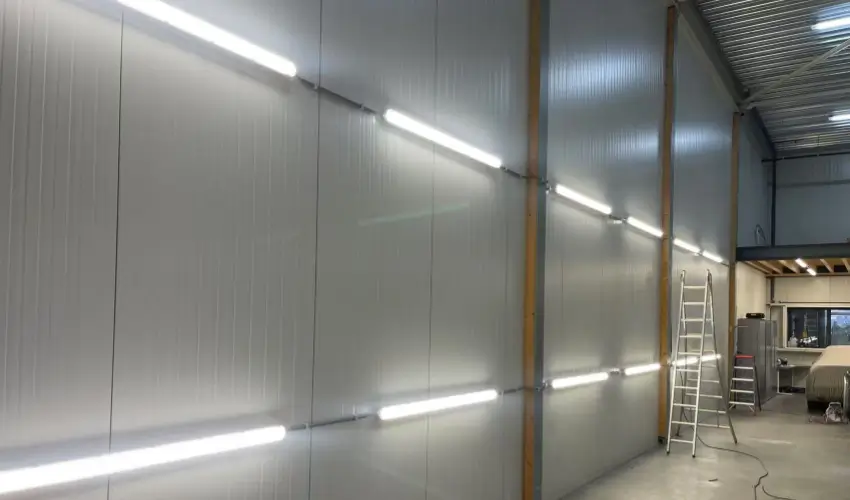

Selecting the right industrial lighting is not a simple procurement exercise—it is a critical engineering decision that directly impacts safety, productivity, maintenance budgets, and total cost of ownership (TCO). In 12+ years of designing lighting systems for heavy manufacturing plants, logistics hubs, food processing facilities, and outdoor industrial yards, TUBU has seen the same costly mistakes repeated: facilities choosing luminaires based on initial price or catalogue lumen output while ignoring real-world application demands.
The result is premature failures, excessive glare-related complaints, higher energy bills, and unplanned downtime during relamping. This guide focuses on the specifications that matter most in real projects: IP protection, Unified Glare Rating (UGR), and the essential performance parameters that determine long-term success.
Why IP Rating Is the Foundation of Reliability
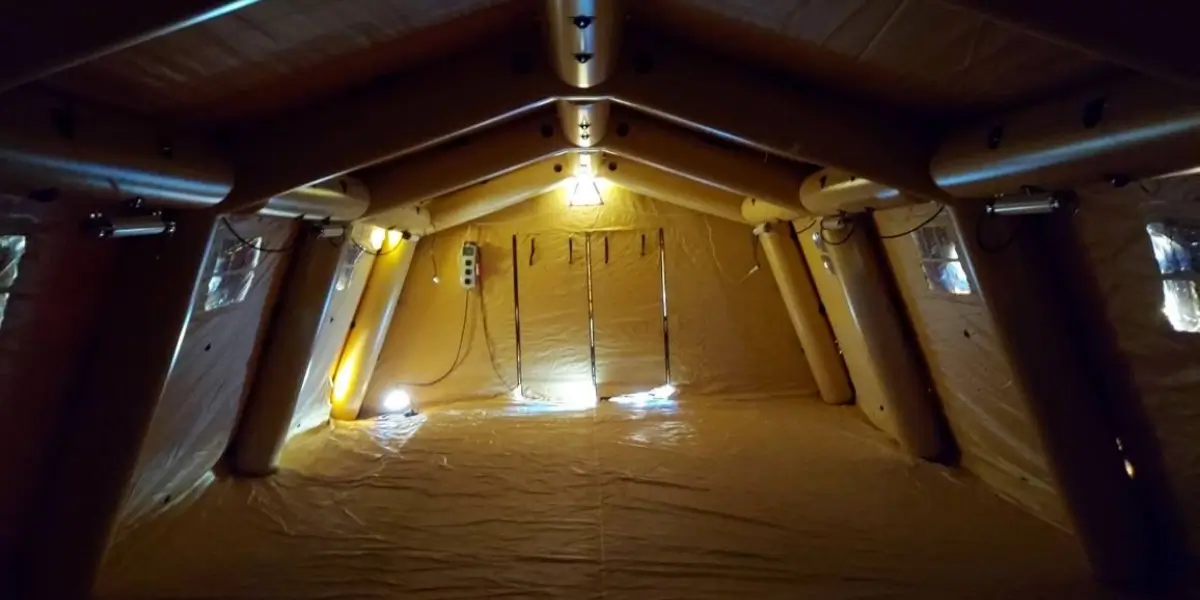
The Ingress Protection (IP) rating is the single most important environmental specification for industrial LED lighting. It defines how well a luminaire resists dust, moisture, and corrosive elements—factors that destroy standard commercial fixtures within 2–4 years in harsh environments.
Practical IP Rating Recommendations by Application:
- Dry warehouses and assembly halls (minimal dust): IP54–IP65 is usually sufficient.
- Heavy manufacturing with metal dust, wood dust, or powders: IP65 minimum, preferably IP66. Fine particulates penetrate gaps and cause overheating or short circuits.
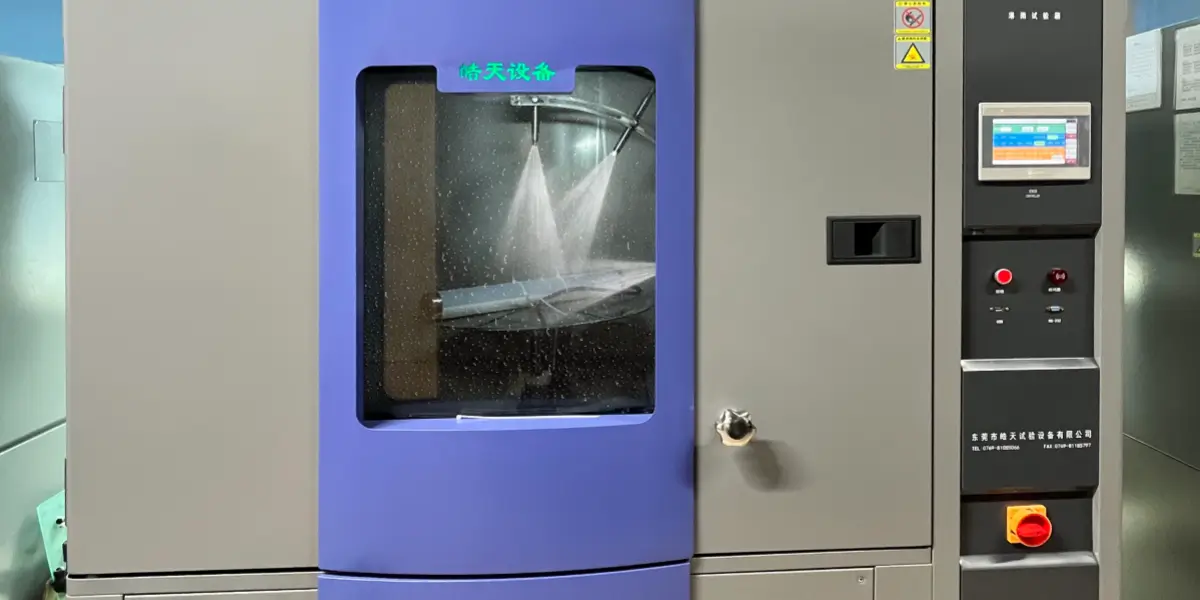
- Food & beverage processing, wash-down areas: IP66 or IP69K. High-pressure hot water cleaning (up to 80°C) is common; anything less leads to internal condensation and rapid driver failure.
- Outdoor or coastal installations: IP66 + C5-M corrosion protection (ISO 12944). Salt-laden air destroys standard powder-coated steel within 18–36 months.
- Chemical plants or wastewater facilities: IP66 + stainless steel (316) or marine-grade coatings.
Real Project Outcome: On a recent automotive parts stamping plant project in a high-dust environment, the client initially installed IP54 luminaires to save cost. Within 26 months, over 40% showed driver failures due to metal particulate ingress. Replacing them with proper IP66 units increased upfront cost by 18% but delivered a 4.8-year payback through reduced maintenance and zero unplanned lighting-related downtime in the subsequent three years.
Engineering Tip: Always verify the full IP rating testing method. Some manufacturers claim IP65 but only test the optical compartment. The driver compartment is often the weak point—demand separate certification for both.
Low-Glare Design and UGR: Protecting Productivity and Safety
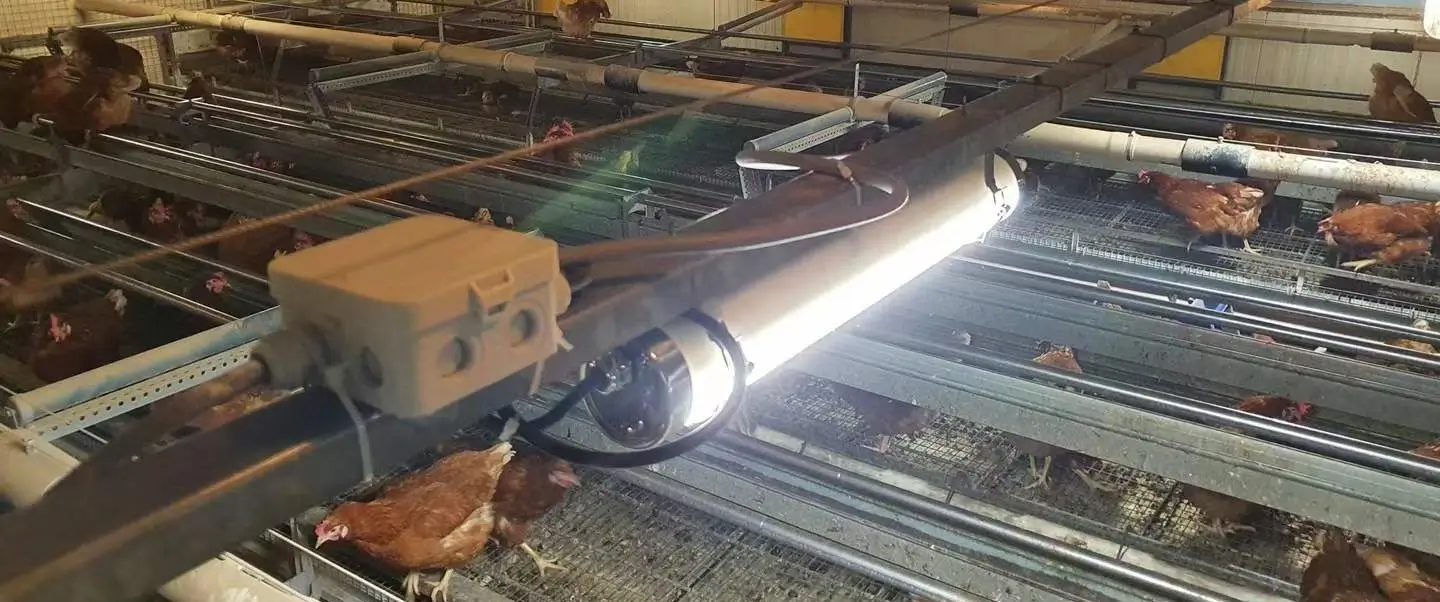
Industrial facilities have historically tolerated high glare because “it’s just a factory.” This thinking is outdated and expensive. Excessive glare causes eye fatigue, reduces visual acuity, increases accident risk, and lowers worker concentration—particularly in high-bay applications.
Unified Glare Rating (UGR) measures discomfort glare. Lower numbers mean better glare control:
- UGR < 22: Acceptable for general manufacturing and storage.
- UGR < 19: Recommended for assembly lines, quality inspection, and precision work.
- UGR < 16: Required for detailed inspection or control rooms.
Modern industrial LED high-bays achieve low UGR through advanced optics: deep-set LEDs, micro-prismatic lenses, or specially designed reflectors rather than simply using frosted diffusers (which kill efficiency).
Why this matters on the floor: In a 12-meter mounting height distribution center I worked on, switching from high-glare 25,000-lumen fixtures (estimated UGR ~28) to properly engineered low-glare UGR<20 units reduced reported eye strain complaints by 67% within three months. Forklift operators also reported improved depth perception and fewer near-misses in aisleways.
Selection Rule: Never accept a UGR value without the specific mounting height and spacing criteria. A luminaire with UGR 19 at 8m height can easily exceed 25 at 12m. Always request photometric files (IES/LDT) and verify with Dialux or Relux simulations for your actual layout.
Critical LED Luminaire Specifications That Drive TCO
Beyond IP and glare, these parameters determine whether a lighting system will be an asset or a liability:
- System Efficacy (lm/W): Look for 130–160+ lm/W at the complete system level (including driver losses), not just the LED package. A 20 lm/W difference on a 500-lumen-per-watt project can save tens of thousands in annual energy costs across a large facility.
- Lumen Maintenance and Lifetime: Insist on L80 (lumen maintenance to 80% output) rather than the common L70. A quality industrial fixture should deliver L80 ≥ 50,000 hours at Ta=45°C or higher. Many “50,000-hour” claims are based on L70 at 25°C—realistic industrial ambient temperatures make these numbers misleading.
- Color Temperature (CCT) and CRI
- 4000K–5000K is the sweet spot for most industrial tasks (good visibility without excessive blue light fatigue).
- CRI ≥ 70 for general areas.
- CRI ≥ 80 for color-critical inspection, printing, or textile operations.
- Thermal Management: Industrial environments often have ambient temperatures of 40–60°C near roofs. Look for fixtures with robust heat sinks, separate driver compartments, and good thermal derating curves. Overheating is the #1 silent killer of LED lifespan.
- Driver Performance: The demand is 10kV/5kA surge protection (essential in areas with heavy machinery or outdoor exposure), dimmable drivers with 0–10V or DALI, and power factor >0.95. Over-voltage spikes from nearby motors destroy cheap drivers quickly.
- Mechanical Design
- Impact resistance: IK08–IK10 minimum.
- Easy installation: Tool-free entry, safety cables, and modular replaceable parts (driver, LED module).
- Corrosion class: C4 or C5 for aggressive environments.
Common Selection Mistakes That Increase Long-Term Costs
- Buying at initial price per lumen — The most expensive lighting is often the cheapest.
- Ignoring application-specific conditions — Using the same fixture across a food plant’s wet zone and dry storage.
- Failing to calculate real TCO — Energy + maintenance + disposal + downtime. A 20% higher initial investment frequently yields 40–60% lower 10-year cost.
- Poor glare control — Leading to productivity losses that are hard to quantify but very real.
- Specifying without proper light calculation — Over-lighting wastes energy; under-lighting creates safety issues.
Making the Right Decision: Actionable Checklist
When evaluating industrial lighting suppliers, use this framework:
- Define exact environmental conditions (dust, moisture, chemicals, temperature).
- Determine required maintained illuminance (lux) per task area (reference EN 12464-1 or equivalent).
- Set glare and uniformity targets.
- Calculate TCO over 8–12 years.
- Request independent test reports (LM-79, TM-21, salt spray, vibration).
- Verify local technical support and spare parts availability.
Smart Lighting Integration: For new projects or major retrofits, consider networked lighting with occupancy sensors, daylight harvesting, and IoT connectivity. The incremental cost is usually recovered within 2–3 years through energy savings and maintenance reduction.
Partnering with the Right Manufacturer
Industrial lighting success depends on choosing partners who understand both the engineering challenges and the commercial realities of facility operation. Solutions must be robust enough for decades of service while delivering measurable ROI.
At TUBU, we specialize exclusively in high-performance industrial and outdoor LED lighting. Our engineering team works directly with consultants, EPC contractors, and facility managers to deliver application-specific solutions that balance performance, reliability, and cost-effectiveness. From IP69K wash-down fixtures to low-glare high-bay systems with C5 corrosion protection, we focus on reducing your total cost of ownership while improving operational outcomes.
If you are currently planning or specifying an industrial lighting project, we invite you to contact our technical team.
Proper industrial lighting selection is ultimately about making confident, data-driven decisions that protect people, assets, and budgets for the long term.