

In demanding industrial environments—food processing plants with aggressive washdowns, coastal ports exposed to salt spray and wave action, outdoor warehousing subject to flooding, or agricultural facilities requiring high-pressure cleaning—LED luminaires must deliver more than just illumination.
They must survive prolonged water exposure without compromising electrical integrity, optical performance, or structural stability. For project engineers and procurement teams specifying IP67 LED lights or IPX9K LED luminaires, understanding the actual verification process is critical to mitigating long-term failure risks and ensuring compliance with site acceptance criteria.
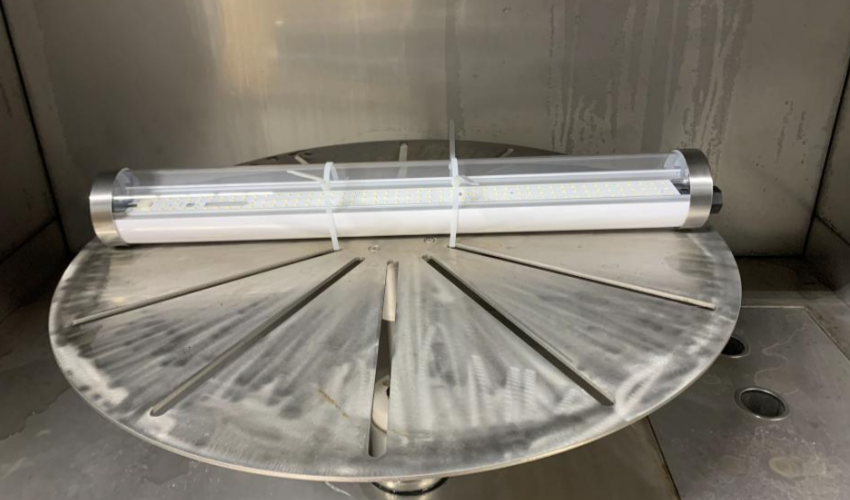
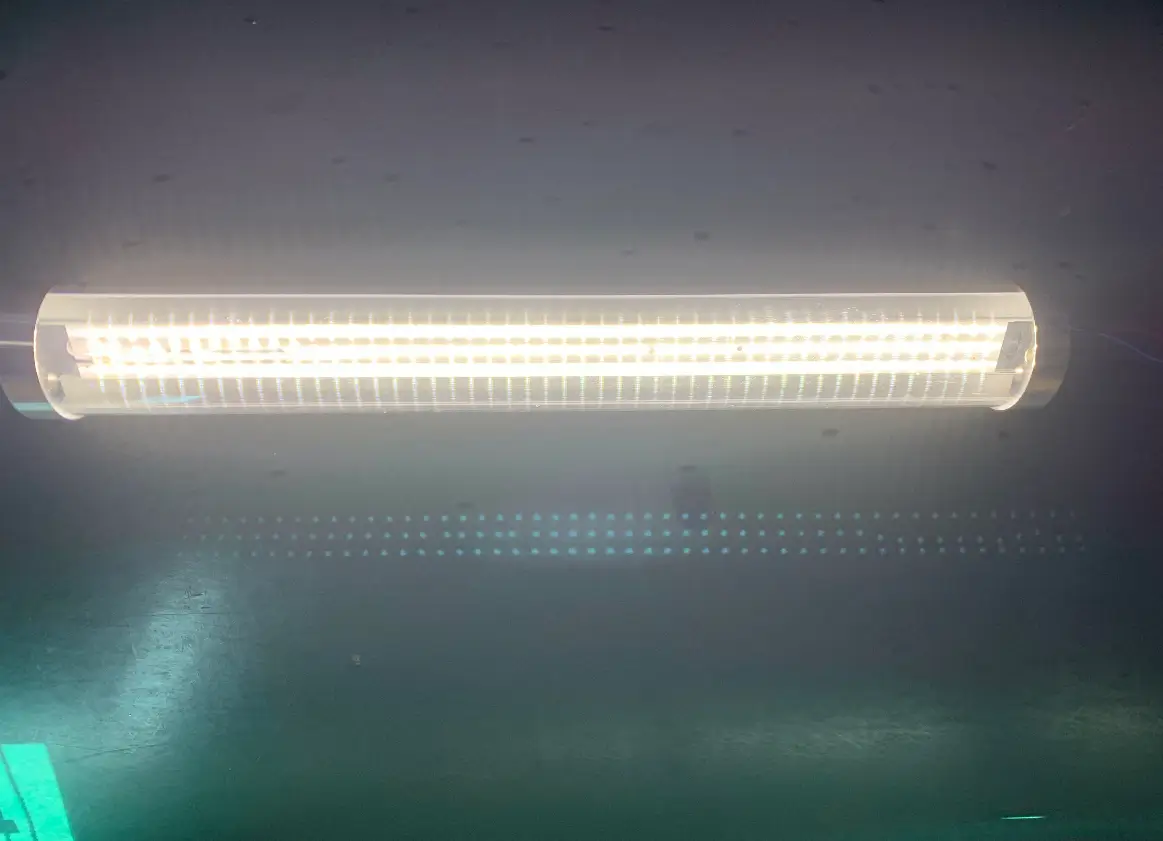
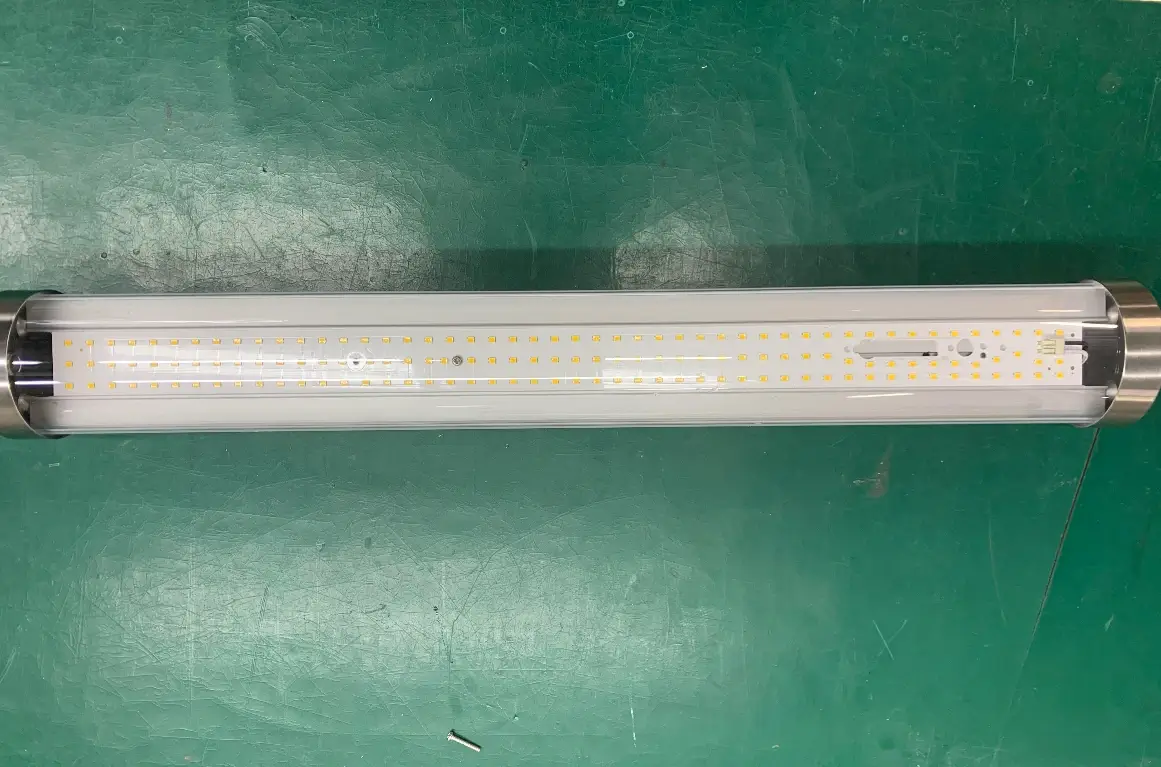
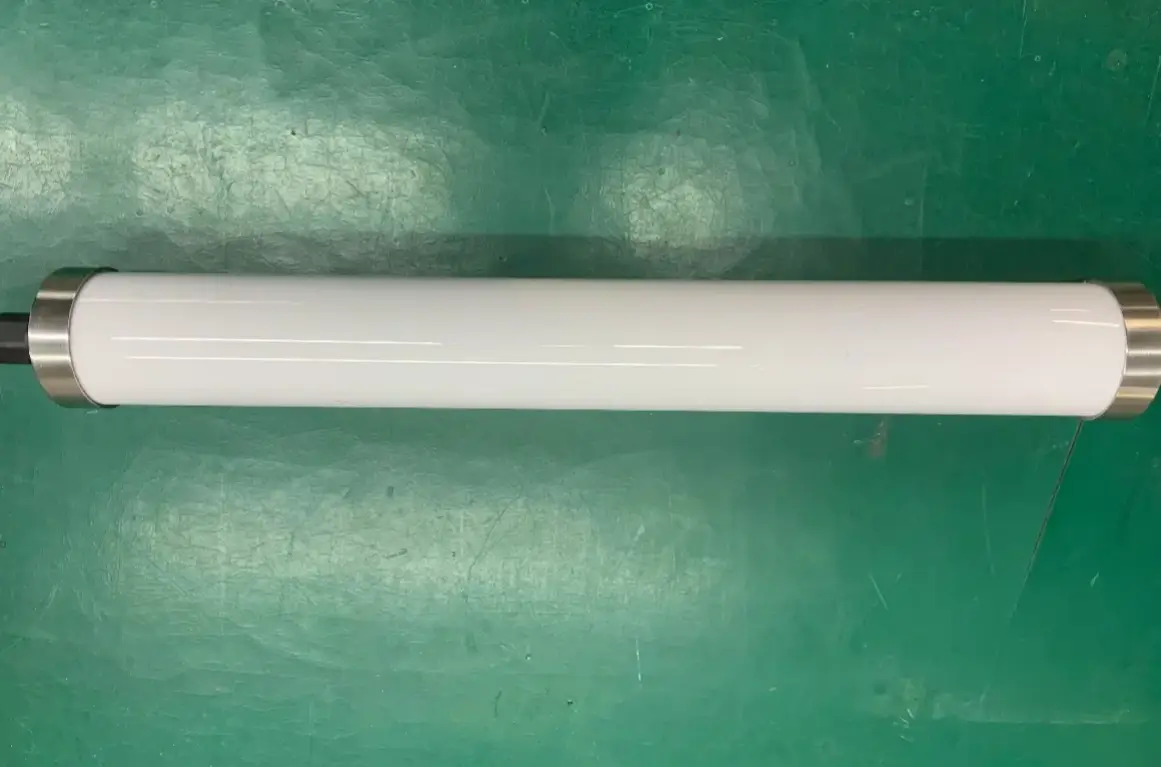
This article examines real-world industrial LED waterproof testing through the lens of verified IP67 and IPX9K results on a representative tri-proof fixture (L9 series).
Why IP67 and IPX9K Matter in Industrial Applications
IP67
- Complete dust protection
- Temporary immersion in water up to 1 meter for 30 minutes
In practice, this covers scenarios like:
- Heavy rainfall
- Standing water from leaks or flooding
- Occasional submersion during facility cleaning
- Environmental water exposure events
IPX9K
It simulates high-pressure, high-temperature water jet exposure typically encountered in:
- Food-grade washdown stations
- Vehicle cleaning facilities
- Marine-adjacent industrial environments
The test uses:
- Water temperature: 80°C ±5°C
- Flow rate: 14–16 L/min
- Spray distance: 100–150 mm
- Spray angles: 0°, 30°, 60°, 90°
- Exposure time: 30 seconds per direction
This verifies resistance to:
- Thermal shock
- Pressure-induced seal deformation
- Hot water penetration
- Accelerated degradation of gaskets and enclosure systems
A fixture passing both tests provides layered protection:
- IP67 for immersion resistance
- IPX9K for high-pressure hot-water cleaning
Many products marketed as IP65 or IP66 cannot withstand prolonged IPX9K conditions due to inadequate seal design, material selection, or pressure management.
The Verification Process
IP67 Immersion Test
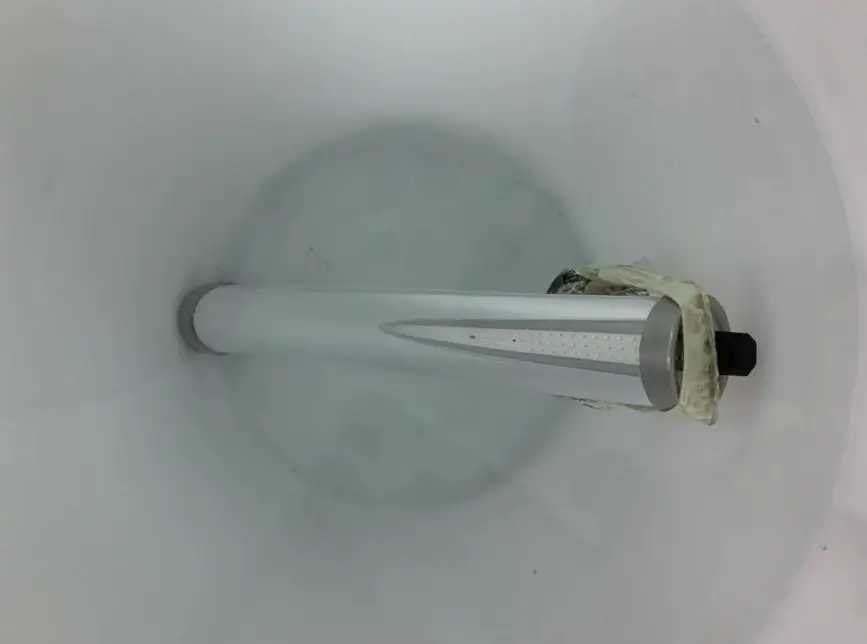
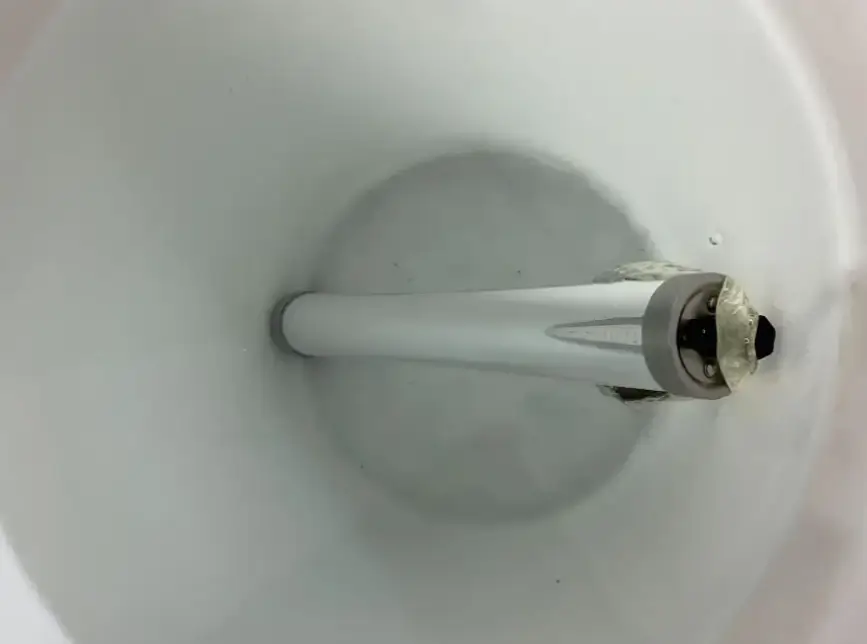
Water ingress failures rarely occur during normal operation—they typically emerge after prolonged exposure to flooding, standing water, or repeated wet-dry cycles. To assess this risk, the L9 series was subjected to IP67 immersion testing, a widely recognized benchmark for industrial waterproof LED fixtures.
After 30 minutes of submersion, the luminaire showed no signs of water ingress and maintained full functionality. The successful outcome demonstrates the effectiveness of the fixture's sealing architecture and pressure-management design.
Particular attention was given to the breathable vent valve system, which helps relieve internal pressure differentials caused by temperature changes. By minimizing stress on gaskets and sealing components, the design contributes to long-term waterproof reliability in demanding industrial environments.
IPX9K High-Pressure Hot Water Test
In many industrial applications, waterproof performance is measured not by rainfall exposure but by the ability to withstand repeated high-pressure washdowns. This is particularly important in food processing, pharmaceutical manufacturing, and transportation facilities where hot-water cleaning is routine.
To validate this capability, the L9 series was subjected to IPX9K testing under ISO 20653 conditions. After exposure to high-temperature water jets from multiple directions, the fixture remained fully operational with no evidence of cracking, deformation, or water ingress.
The successful result confirms the effectiveness of the luminaire's sealing architecture and material selection, ensuring reliable operation even in environments where aggressive cleaning procedures place continuous stress on the enclosure system.
What the Results Actually Demonstrate
Passing both tests on the same samples indicates robust engineering:
- Seal integrity under combined immersion and dynamic high-pressure thermal stress.
- Material compatibility: Housing, gaskets, and optics withstand 80°C water without softening, cracking, or loss of compression set.
- Electrical safety: No bridging or insulation breakdown despite potential moisture exposure paths.
- Mechanical stability: No deformation that could compromise the IP rating over repeated cycles.
Laboratory vs. Real-World Performance
Lab results are necessary but not sufficient alone. Real deployments introduce variables like:
- Repeated thermal cycling (day/night, process heat).
- Chemical exposure (cleaning agents, ammonia in livestock facilities, salt).
- Mechanical vibration and impact.
- Long-term UV and weathering (outdoor variants).
The L9’s IP69K-equivalent performance (IPX9K is the dynamic jet portion of IP69K) aligns well with food processing, car washes, and coastal applications. Combined with IK10 impact rating and corrosion-resistant options (e.g., stainless steel components), it addresses the full durability stack. Field data from similar TUBU deployments in European and Canadian projects shows sustained performance where lesser-rated fixtures required premature replacement.
TUBU’s Approach to Waterproof Reliability
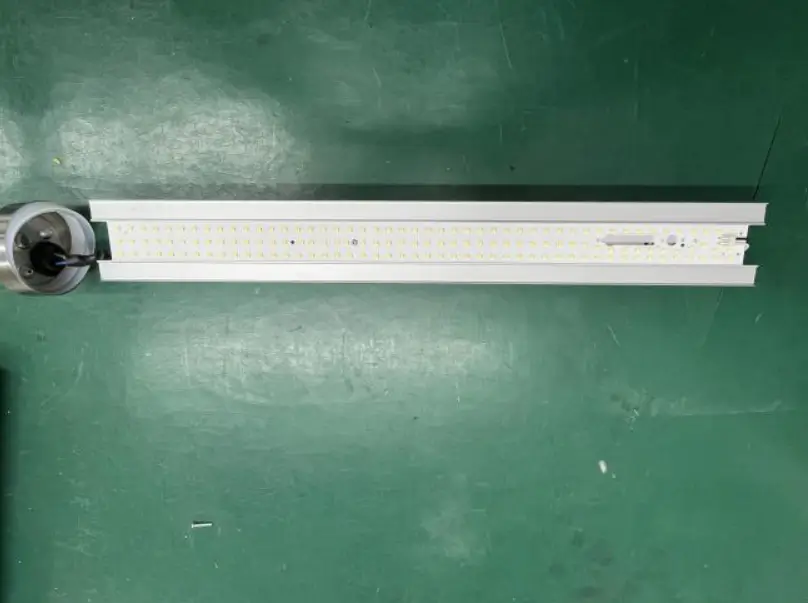
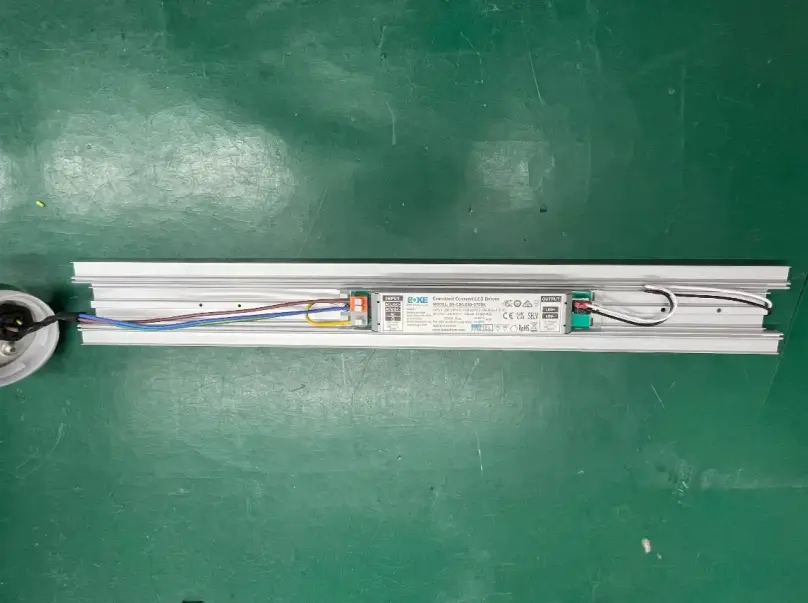
TUBU maintains a comprehensive in-house validation program with over 50 pieces of dedicated test equipment, including IP69K spray chambers, integrating spheres, goniophotometers, salt spray, and IK impact rigs. Fixtures like the L9 series undergo iterative design validation—seal geometry optimization, material selection (PMMA for chemical resistance, PC for impact), and breathable pressure management—before certification. This supports OEM/ODM customization while maintaining core ingress protection across power, length, and optical variants.
Engineering teams can request full report packages, Dialux simulations for application-specific validation, and project-specific sample testing. For large-scale rollouts, TUBU provides installation guidance on mounting, cable glands, and maintenance to preserve the verified IP ratings over the 5-year warranty period.
Conclusion: Layered Protection for Demanding Environments
IP67 handles immersion risks common in outdoor and flood-prone industrial settings, while IPX9K addresses the aggressive hot, high-pressure cleaning essential in food, pharmaceutical, and heavy manufacturing. Fixtures passing both—like the verified L9 samples—offer a practical combination for minimizing lifecycle costs and maximizing uptime.
For projects requiring waterproof LED fixtures that deliver consistent performance under real industrial abuse, validated testing is non-negotiable. Review reports critically, prioritize suppliers with transparent processes, and match ratings to your specific exposure profile.
If your next project involves heavy rain exposure, washdown zones, or outdoor industrial lighting where reliability directly impacts operations, TUBU’s engineering team stands ready to support specification review, custom configuration, and full documentation.
Contact us with your project parameters or request detailed test reports and application engineering support. Reliable industrial LED durability starts with evidence-based selection.