
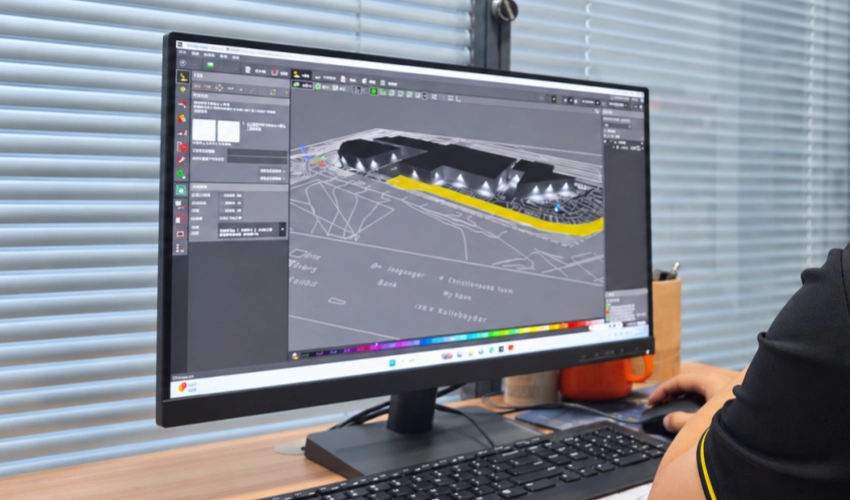

For custom LED lighting projects, delivery time is a major concern for buyers. From specification approval and component sourcing to production and shipping, delays at any stage can affect the entire project schedule.
Simplifying processes and reducing unnecessary waiting time are challenges that both suppliers and buyers need to address.
With 13 years of experience serving overseas markets, TUBU continuously improves product configurations and production processes. Read on to discover how TUBU helps simplify the process and improve delivery efficiency.
Finalize Technical Requirements Before Production
The first step is to establish exactly what the project needs.
A lighting order may involve several technical requirements, and changing them after production materials have been purchased can affect the entire schedule.
Before requesting a final quotation, prepare a specification sheet covering:
Specification | What to Confirm |
|---|---|
Power | Required wattage and adjustable power levels |
Electrical | Input voltage and frequency |
Light Output | Luminous flux and efficacy |
CCT | Single, dual, or tri-CCT |
Control | ON/OFF, 0-10V, sensor, or photocell |
Installation | Bracket, pole, suspension, or other mounting |
Protection | IP and IK ratings, corrosion resistance |
Compliance | Required certifications and market standards |
Not every project needs a fully customized configuration. For example, a warehouse lighting project may only require an existing wattage, CCT, and mounting option.
The more requirements you can confirm before ordering, the fewer engineering clarifications are likely to interrupt production.
Practical tip: Separate your requirements into two groups:
- Must-have: Specifications that are essential for project performance or regulatory compliance.
- Optional: Features that can be adjusted or omitted without affecting the main application.
This gives the supplier more flexibility to recommend an available configuration without compromising the project's essential requirements.
Use Standard Product Configurations Where Possible
One of the most effective ways to simplify production is to select a product platform that already covers your application requirements.
A mature product platform typically has established electrical designs, component specifications, housing structures, and optional functions. This reduces the need for repeated engineering confirmation compared with developing a completely new product.
Example: TUBU TG5 LED Marine Floodlight
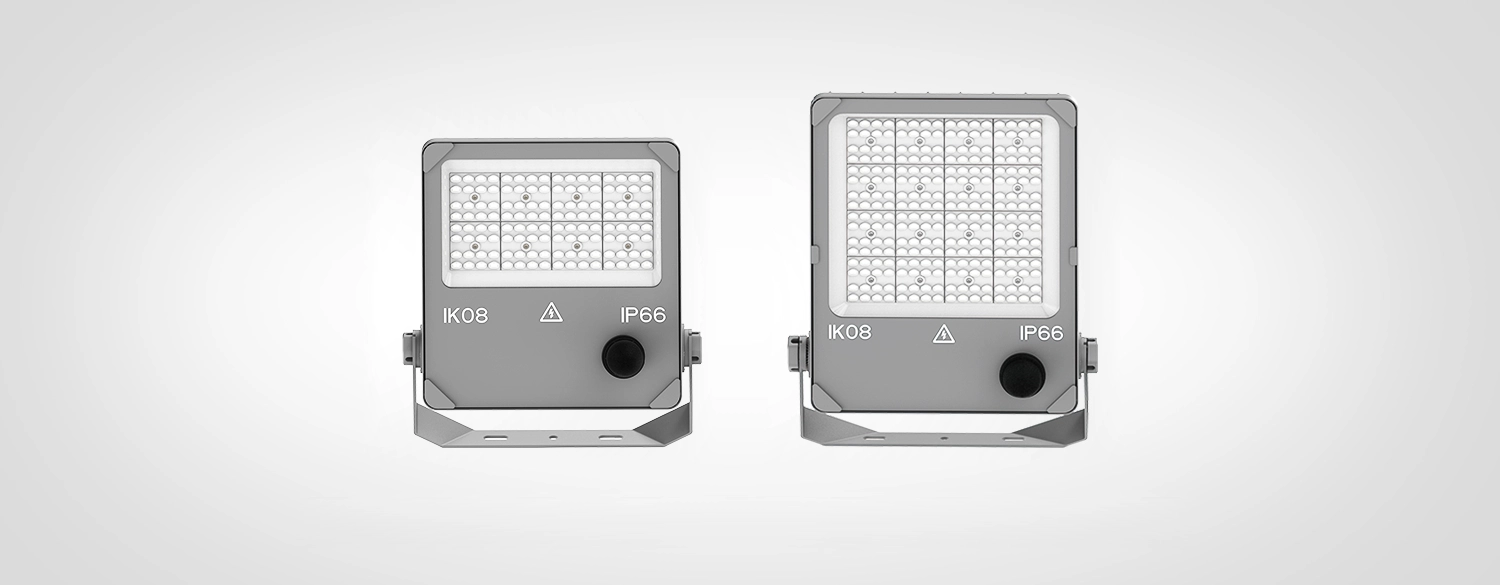
The TUBU TG5 series is designed for large industrial and marine lighting applications. Its standardized component inventory supports faster delivery, simplified maintenance, and flexible configuration options.
Instead of specifying every component from scratch, buyers can select from established options:
Configuration | Available Options |
|---|---|
Power | 100W / 150W / 200W / 240W |
LED | SMD 3030, Sanan / Hongli |
Driver | Inventronics |
Input Voltage | 100-240VAC, 50/60Hz |
Dimming | ON/OFF / 0-10V |
CCT | Single / Dual / Tri-CCT |
Photocell | 25-75 lux / 200-600 lux / Disabled |
Sensor | Plug-and-play PIR |
Mounting | Bracket / Pole mounting |
The advantage is not simply having more options. It is being able to select from an established technical platform rather than requesting a new design for every order.
For buyers, this means fewer component changes, a clearer specification process, and potentially less preparation before production.
When requesting a quotation, ask the supplier which configurations are already standardized and which require additional engineering or component sourcing.
Check Component Availability and Customization Requirements Early
Even when the product design is established, the availability of individual components can affect the delivery schedule.
LED chips, drivers, sensors, cables, connectors, and customized housings may have different sourcing requirements. A single unavailable component can hold up an otherwise complete order.
Before confirming a purchase, ask your supplier to check:
- Whether the selected LED chips and drivers are available.
- Whether the required CCT and dimming functions use existing configurations.
- Whether sensors and photocells are standard options.
- Whether customized cables, connectors, or mounting accessories require additional sourcing.
- Whether alternative components can be approved if the original selection is unavailable.
For OEM/ODM projects, it is also important to distinguish between product customization and product development.
For example:
Requirement | Typical Engineering Involvement |
|---|---|
Selecting an existing wattage | Low |
Choosing an available CCT | Low |
Adding an existing sensor option | Low to moderate |
Changing driver or LED specifications | Requires technical confirmation |
Developing a new housing structure | Requires additional engineering |
Developing a new lighting control system | Requires additional development and testing |
These are general planning categories rather than guaranteed production lead times. Actual requirements depend on the product design and component availability.
TUBU offers OEM/ODM services and works with established LED and driver suppliers, including Sanan, Hongli, Mean Well, Inventronics, Osram, Philips, and Tridonic, depending on product requirements.
The earlier these sourcing and engineering details are confirmed, the easier it is to establish a realistic production schedule.
Confirm Production Capacity, Order Quantity, and Delivery Schedule
A supplier's quoted lead time is only useful when it reflects the actual order quantity and production arrangement.
For bulk orders, available production capacity, material preparation, and the number of product models all influence scheduling.
Instead of asking only, "How long will production take?", request a more detailed breakdown.
Item | Information to Confirm |
|---|---|
Material preparation | Availability of key components |
Production capacity | Available production slot for your order |
Order quantity | Total quantity for each model |
Production schedule | Estimated completion date by SKU |
Quality inspection | Testing and inspection arrangements |
Shipment | Estimated ex-works date |
For orders involving several models, provide a quantity breakdown rather than a single total.
For example, a purchase order for 500 lights should specify how many units belong to each model, wattage, and configuration. This helps the factory plan materials and assembly more accurately.
TUBU operates manufacturing facilities with dedicated production and engineering resources. Its website also highlights its manufacturing capacity and support for bulk orders and OEM/ODM projects.
For large or repeat orders, buyers should also discuss whether the supplier can arrange phased production or shipment. This can help align product availability with installation schedules, warehouse capacity, and project deadlines.
Prepare Packaging, Certification, and Shipping Details in Advance
Production completion does not automatically mean an order is ready to ship.
Packaging, labeling, inspection, and shipping arrangements can all affect the final delivery schedule. These details should be discussed before the goods are finished, not after.
Before placing an order, confirm the following:
Product compliance
- Applicable CE, RoHS, or other market-specific requirements.
- Required test reports and certificates.
- Product labels and technical documentation.
Packaging
- Carton dimensions and gross weight.
- Units per carton.
- Pallet requirements, if applicable.
- Customized packaging or branding requirements.
Shipping
- Delivery address and destination country.
- Shipping method and freight arrangements.
- Estimated shipment date.
- Required export and customs documentation.
For international orders, providing packaging dimensions and weights to your freight forwarder early helps with freight quotations, container planning, and shipping arrangements.
TUBU's product range covers multiple international certification requirements, while its quality management systems include ISO 9001 and ISO 14001. Buyers should confirm the specific certificates and documentation applicable to their selected product and destination market.
The objective is to have the product, documentation, and shipping arrangements ready at approximately the same time.
How TUBU Supports Custom and Bulk LED Lighting Orders

Choosing a manufacturer is not just about comparing unit prices. For project buyers and distributors, the supplier's ability to coordinate technical requirements, components, production, and quality control is equally important.
TUBU supports customers through several aspects of the sourcing process:
- Established product platforms: Standardized product designs and component systems for selected lighting series.
- OEM/ODM services: Custom solutions for specific project and branding requirements.
- Engineering support: Technical assistance to evaluate product configurations and application requirements.
- Quality management: ISO 9001 and ISO 14001 certified management systems, supported by product testing and inspection.
- Lighting design assistance: Complimentary DIALux simulation services for qualifying lighting projects.
- Product coverage: Tri-proof lights, floodlights, high bay lights, agricultural lighting, and marine searchlights.
These capabilities help buyers evaluate product requirements before ordering and coordinate the steps involved in moving from quotation to production and shipment.
Planning a custom or bulk LED lighting order? Share your target specifications, quantities, and delivery requirements with TUBU. Our team can help assess suitable product configurations and provide a quotation based on your project needs.