
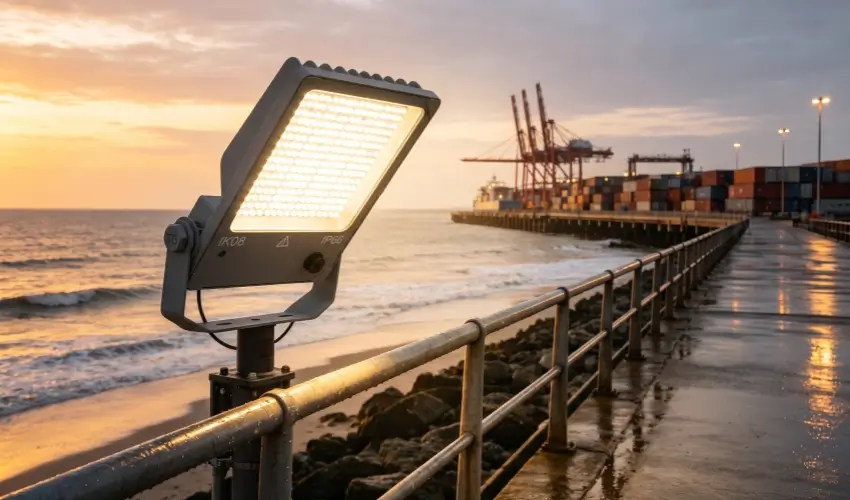

For port authorities, terminal operators, and EPC contractors, upgrading aging dock and harbor lighting is far more than a simple equipment replacement. Vessel berthing schedules, container handling operations, and 24/7 cargo activities leave very limited room for extended power outages or restricted work areas. The real engineering challenge is how to complete a port lighting retrofit without affecting berth operations or interrupting vessel loading and unloading activities.
Traditional dock lighting upgrades often require difficult trade-offs between lighting performance and operational risks. Modern LED floodlights designed specifically for marine and industrial environments can change this situation when their product architecture prioritizes installation flexibility, retrofit compatibility, and long-term reliability in harsh coastal conditions.
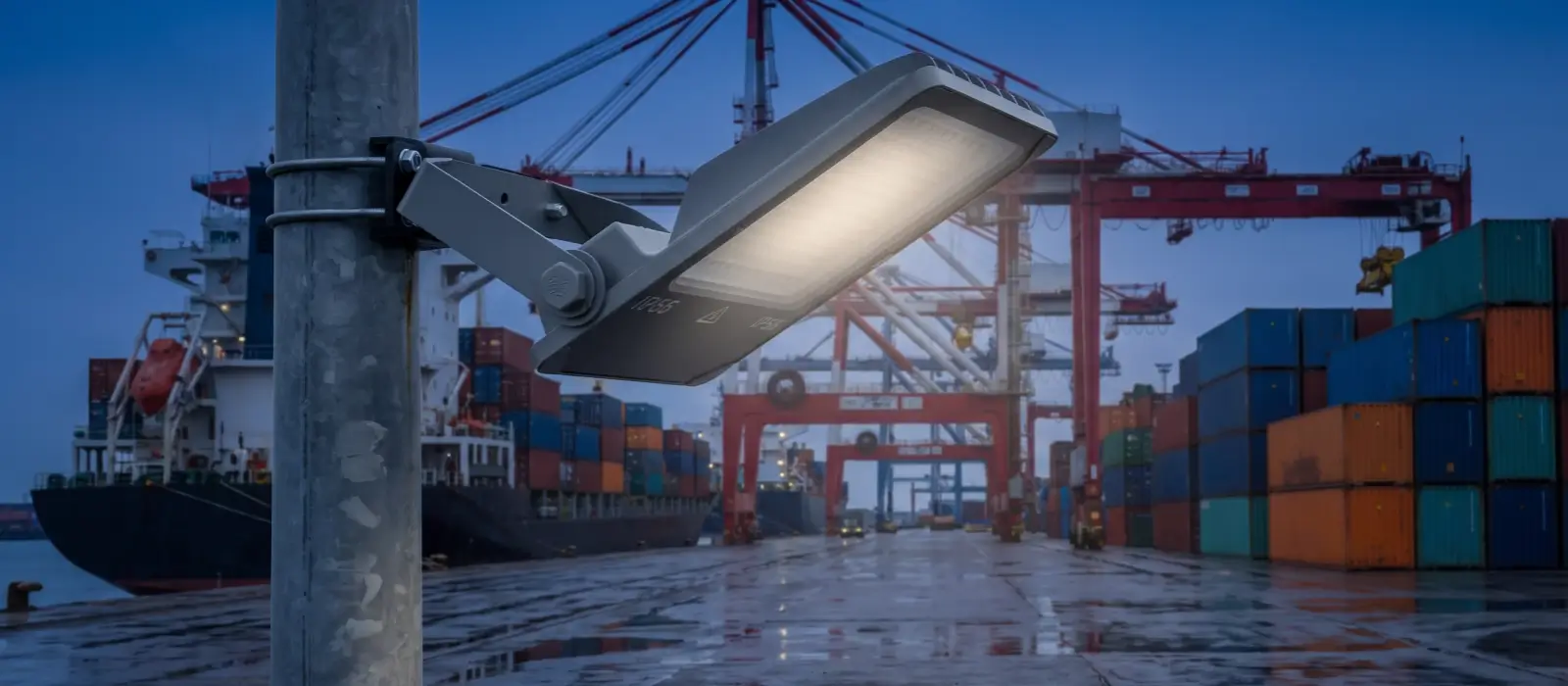
Why Traditional Port Lighting Retrofits Cause Operational Challenges
Conventional high-pressure sodium or metal-halide floodlights on docks and container yards were typically installed with fixed steel brackets, custom-welded supports, and rigid conduit runs. Replacing them usually requires:
- Temporary closure of working areas around each pole or mast
- Hot-work permits for cutting and re-welding mounting structures
- Crane or elevated-platform time that competes with cargo-handling equipment
- Extended electrical isolation of entire circuits
These steps lengthen the construction window, raise safety exposure in high-traffic zones, and increase the probability of schedule conflicts with vessel arrivals. In many terminals, the cumulative cost of lost throughput exceeds the pure material cost of the luminaires.
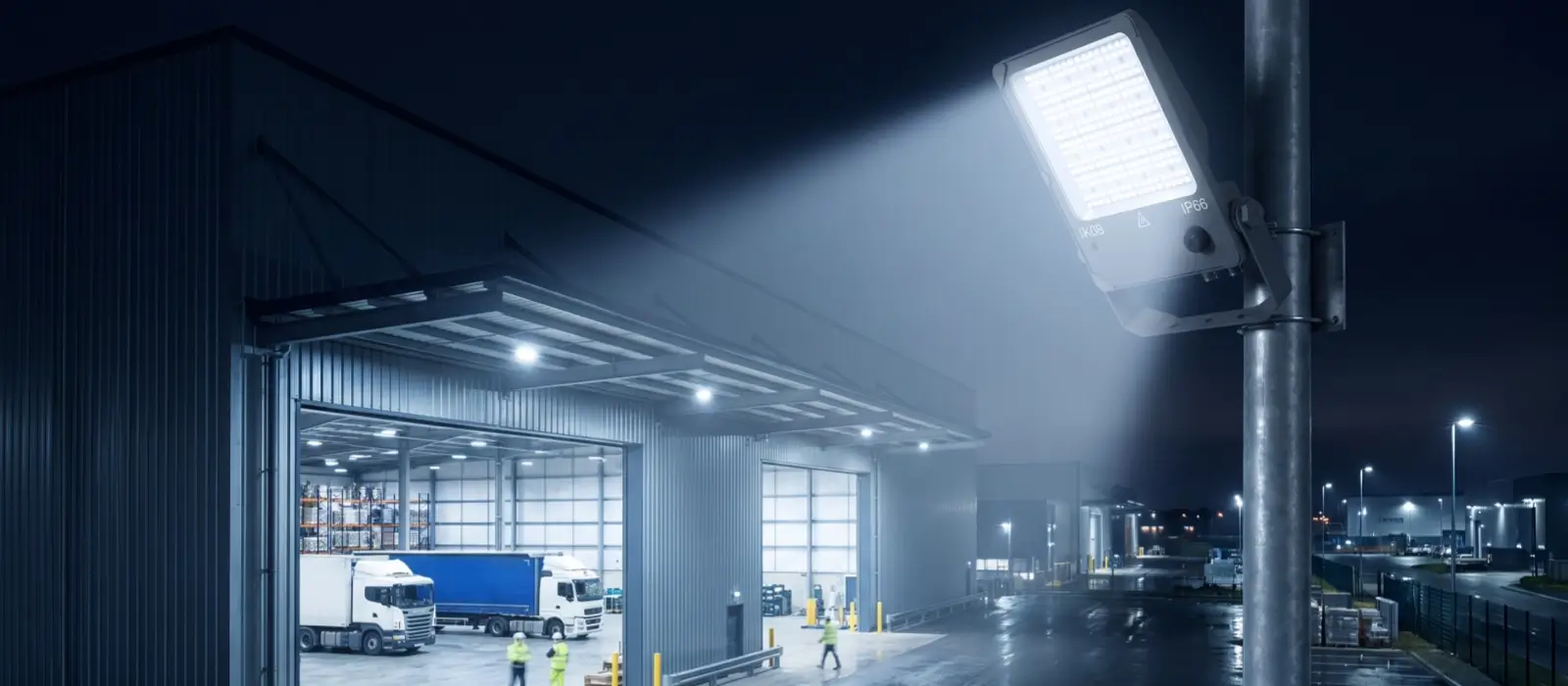
Engineering Challenges of Aging Dock Lighting
Aging dock lighting systems face compounding technical and environmental issues. Corrosion of brackets and housings is accelerated by salt-laden air and frequent high-pressure wash-downs. Internal condensation forms when temperature swings drive moisture through seals that have degraded over years of continuous service. Water accumulation inside the fixture leads to premature driver failure, reduced optical output, and unpredictable outages precisely when night operations demand reliable illumination.
In addition, many existing installations use non-standard hole patterns or outdated slip-fitters. A like-for-like replacement that demands new steelwork or pole modifications quickly escalates into a structural project rather than a lighting upgrade.
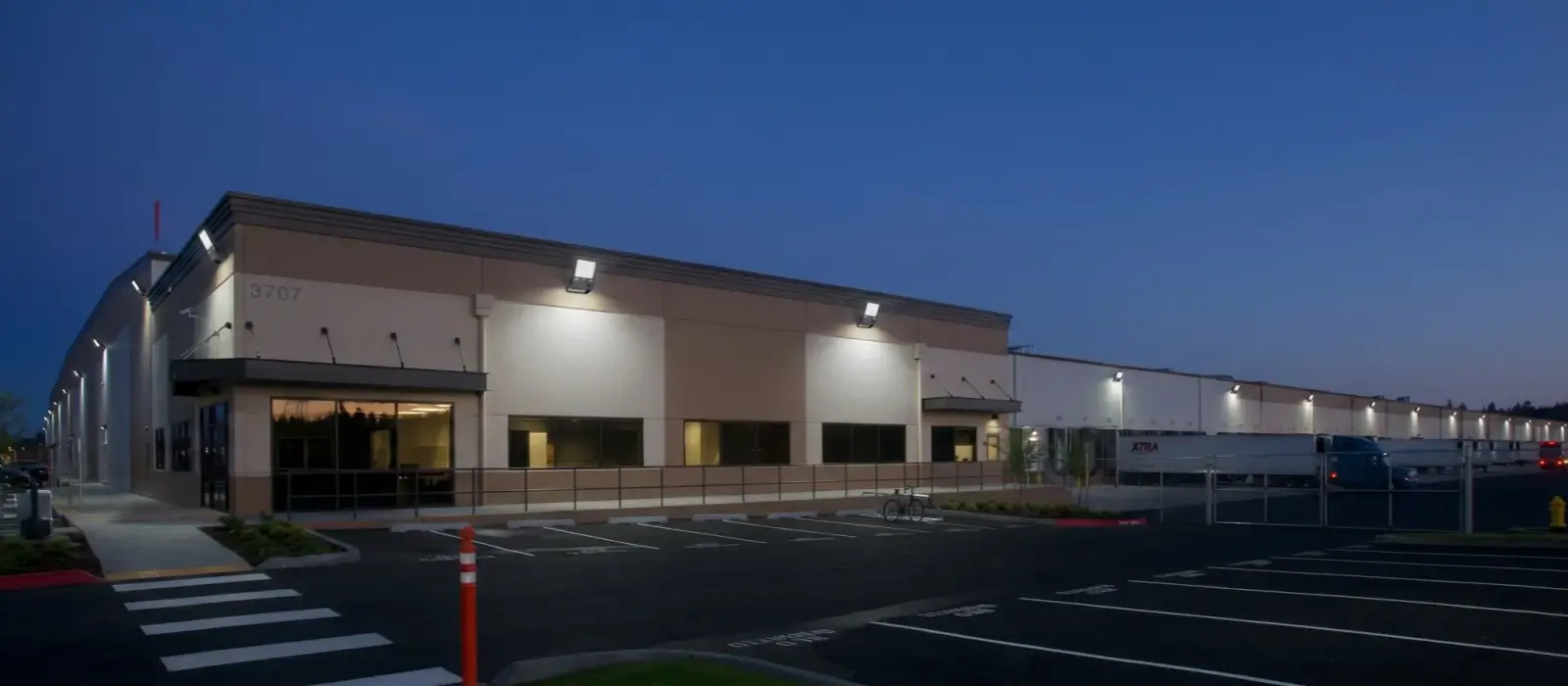
How TUBU TG5 Makes Retrofit Possible Without Downtime
The TUBU TG5 is a next-generation LED floodlight designed for industrial, marine, and coastal applications. With corrosion protection ratings up to C5, the TG5 is engineered to withstand long-term exposure to humidity, salt spray, and harsh outdoor environments.
Its optimized drainage structure quickly removes accumulated water, while advanced dual-sided hydrophobic, breathable vents maintain internal pressure balance and prevent moisture buildup, icing, or blockage from salt mist. This innovative design keeps the luminaire dry, clean, and fully protected, ensuring outstanding waterproof performance, longer service life, and dependable lighting in the most demanding marine environments.
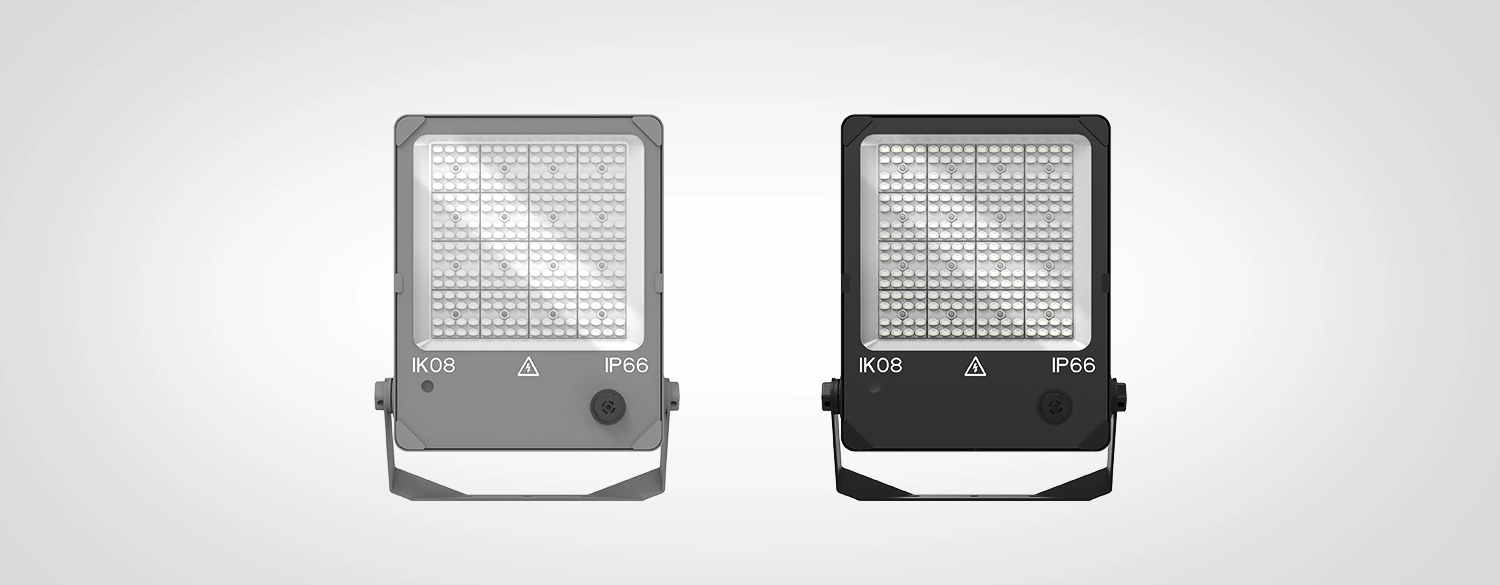
Flexible Mounting
TG5 adjustable mounting bracket provides up to ±130° of angle adjustment, allowing precise light positioning for different installation requirements. This enables accurate aiming without major modifications to existing poles or steel structures, improving lighting coverage and significantly reducing high-mast installation time.
Multiple Mounting Accessories
A comprehensive range of installation accessories is available to meet diverse mounting needs on docks and ports. These high-quality accessories enable faster, stronger, and more flexible installation, minimizing the need for custom steelwork or on-site structural changes.
Dual Cable Glands
TG5’s through-wiring design and dual cable glands enable a faster, more flexible retrofit process. Instead of shutting down entire lighting circuits, crews can replace individual luminaires step by step during short maintenance windows, reducing wiring complexity and allowing port operations to continue with minimal interruption.
Flexible Optical Distribution Design
A wide range of beam angles and optical distributions—including narrow, medium, wide, and asymmetric patterns—enables precise light control, improved illumination uniformity, and reduced light spill. With TG5, new fixtures can closely match the existing lighting requirements, minimizing the need for additional luminaires or pole repositioning while further shortening the retrofit timeline.
Conclusion
Whether upgrading container terminals, cargo ports, shipyards, or other coastal facilities, selecting a floodlight engineered for efficient installation and harsh-environment durability can help operators modernize aging infrastructure while keeping essential operations running.
If you are planning a port lighting retrofit, Contact Us Today; TUBU's engineering team can provide application-specific lighting layouts, Dialux simulations, and technical recommendations tailored to your project requirements.