

In the ever-evolving world of grow lights, Quantum Panel LEDs have emerged as a powerful and efficient option for indoor gardeners. These lights boast several advantages over traditional LEDs, making them a serious contender for "Best Grow Lights 2023" in the Quantum Panel LED Grow Light category.
Commercial Grow Lights/Commercial LED Grow Lights
Commercial LED grow lights are lighting fixtures specifically designed for indoor gardening and plant cultivation. They use light-emitting diodes (LEDs) as the source of light instead of traditional lighting technologies like incandescent or fluorescent bulbs. LED grow lights have become popular in commercial farming and horticulture because they are more energy-efficient, produce less heat, and can be customized to provide specific light spectrums that promote plant growth. These lights are commonly used in large-scale indoor farms, greenhouses, and vertical farming systems. They are used to supplement natural sunlight or as the primary light source for plants that require specific light conditions for optimal growth.
Best Commercial LED Grow Lights
Choosing the best commercial LED grow lights for your operation is a crucial decision, impacting yield, efficiency, and operating costs. With the vast array of options available, navigating the market can be overwhelming.
TUBU Best Grow Lights 2023
Quantum Panel LED Grow Light Best Grow Light 2023
Features:
Added deep Red and IR.
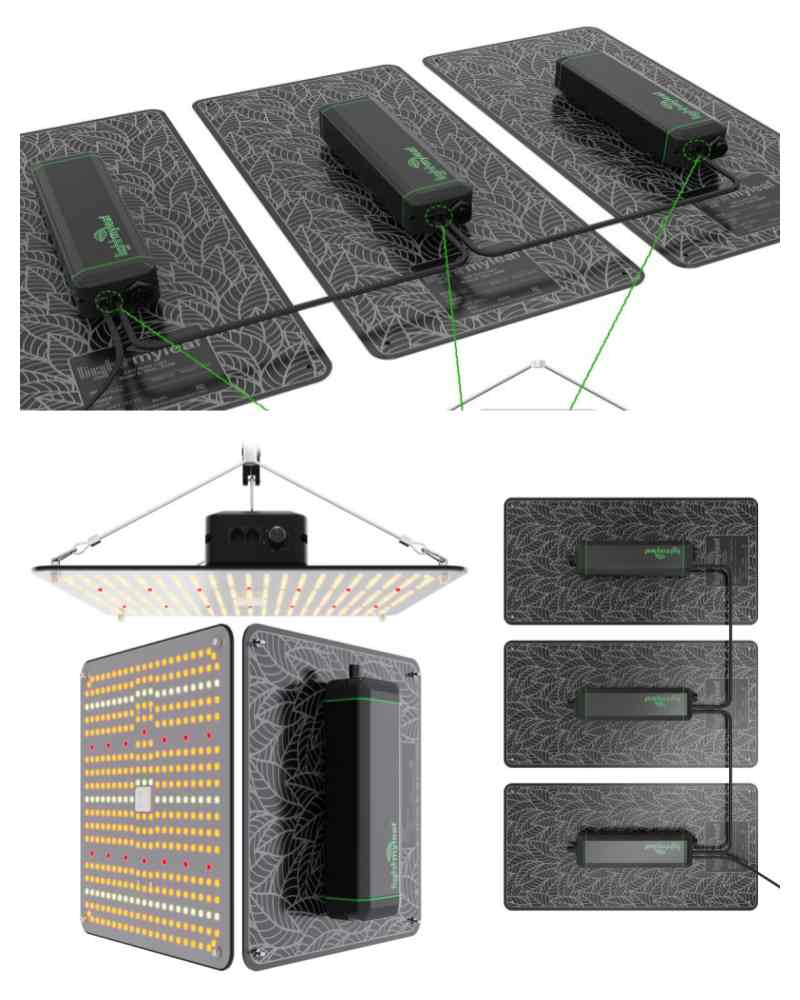
High-efficiency full spectrum LED grow light.
ave 50% on electricity costs when compared to HPS.
Waterproof-ip65, safer for indoor growing.
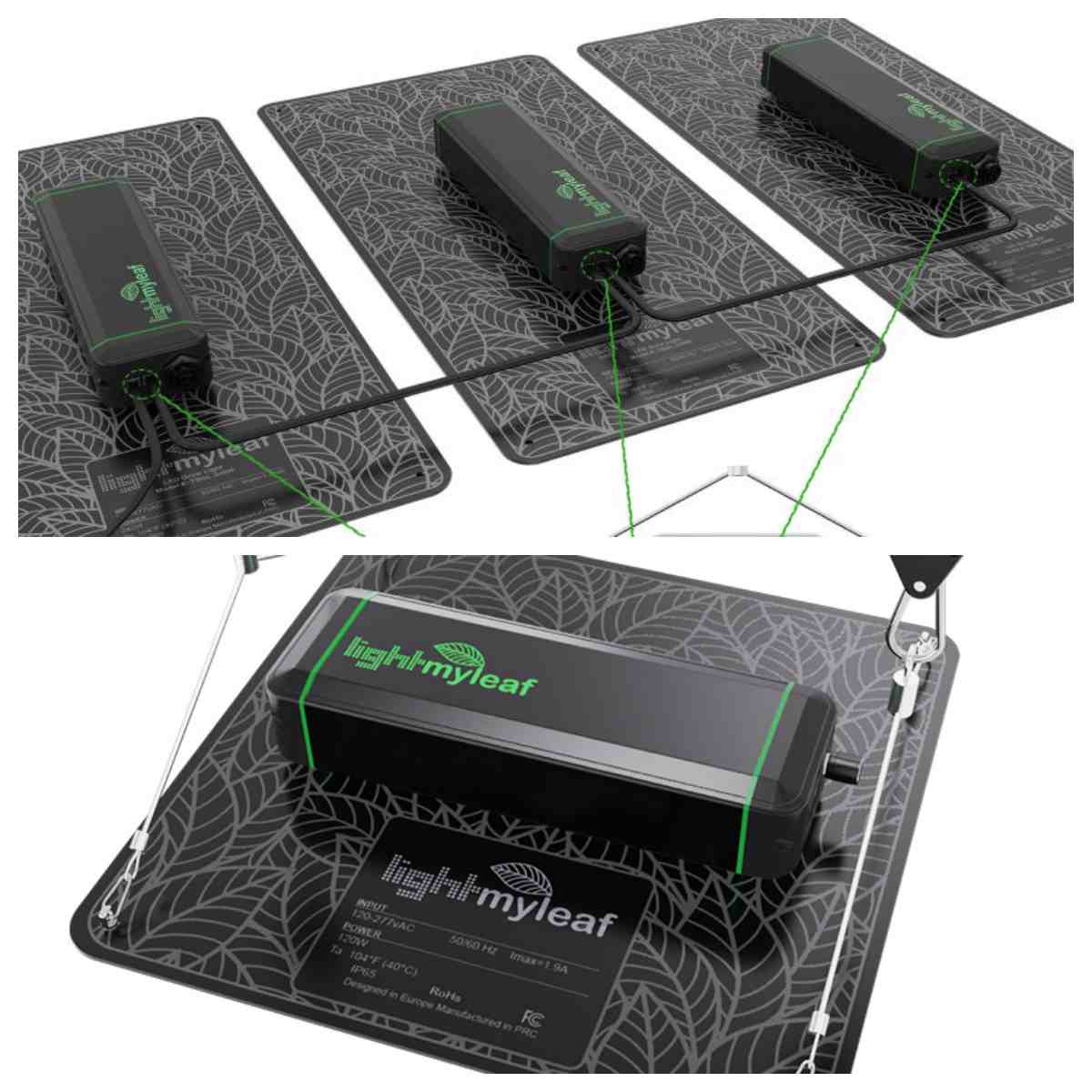
Dimmable Lightmyleaf brand driver, with 20%~100% easy dimming knob to turn on/off the light.
Long lifespan up to L70>54,000 hours according to the calculation of the LEDs LM80 testing report.
Less adjustable hanging kits are included.
Dimming power supply included.
Customized bulk orders on request.
What are Quantum Panel LEDs?
Unlike traditional LED grow lights with individual diodes scattered across the board, Quantum Panel LEDs utilize tightly packed LED arrays within a sealed panel.
Quantum Panel LED Grow Lights Design Benefits
High efficiency: Quantum Panels emit light more uniformly, reducing wasted light and increasing PAR (Photosynthetically Active Radiation) penetration to the plant canopy. This translates to higher yields and energy savings.
Deeper light penetration: Densely packed LEDs ensure light reaches lower plant areas, promoting even growth and preventing stretching.
Full spectrum light: Most Quantum Panels offer full spectrum light, mimicking natural sunlight and providing plants with the necessary wavelengths for optimal photosynthesis.
Dimmable and controllable: Many models offer dimming and spectrum control features, allowing you to tailor the light to different growth stages and plant types.
Quantum Panel LED Grow Lights Popular Brands and Models
Several brands offer high-quality Quantum Panel LEDs, each with its own strengths and features. Here are a few popular options:
Horticulture Lighting Group (HLG): HLG's Diablo series, particularly the Diablo V2 series, is renowned for its efficiency, durability, and performance.
Spider Farmer SF series: These are known for their affordability and user-friendliness, offering great value for beginners.
Mars Hydro FC and TS series: Mars Hydro models offer a good balance of price, performance, and features, catering to both novice and experienced growers.
Grower's Choice ROI-E series: These lights prioritize high performance and light intensity, often favored by professional growers.
Pros and Cons of Quantum Panel LEDs
Pros:High efficiency and PAR penetration, Deeper light reach, Full spectrum light, Dimmable and controllable, Durable and long-lasting.
Cons: It can be more expensive than traditional LEDs, Some models may generate more heat, Not all models offer extensive control options.
Quantum Panel LEDs are a powerful and efficient option for grow lights, offering significant advantages over traditional LEDs. Whether you're a beginner or a seasoned grower, a Quantum Panel LED can significantly enhance your indoor garden's success. However, their higher price point and potential heat generation require careful consideration.
Recommended other related articles

Marine patrol and search-and-rescue vessels need dependable lighting to identify distant objects, scan surrounding waters, and support nighttime operations. The right LED marine searchlight helps crews improve visibility when monitoring vessel movements, locating people in the water, or inspecting offshore areas. With so many marine searchlights offering different features and functions, how do you choose the
LED searchlights are professional lighting devices designed for long-distance illumination and target searching, suitable for a wide range of applications, including marine, land-based, and aviation environments. TUBU LED searchlights integrate long-distance illumination, pan-tilt positioning, and remote control to support remote, directional lighting in demanding environments. To ensure stable operation and the expected lighting performance of
Outdoor LED floodlights are exposed to harsh environmental conditions, including rain, dust, temperature fluctuations, vibration, and occasional physical impact, all of which can contribute to equipment failures. Regular and systematic inspection, care, and maintenance can help extend their service life. This article covers some common LED floodlight problems and their solutions identified by TUBULE. 1.
Effective illumination serves as a lifeline in emergency rescue operations. After years of field practice, structured lighting frameworks have been developed to support response teams across diverse working conditions, forming a comprehensive family of emergency rescue lighting solutions. Among these tools, searchlights play an irreplaceable role as specialized long-range lighting assets, enabling target location, situational awareness,
A searchlight is a type of high-intensity lighting equipment capable of directional long-distance projection. Its core value lies in providing precise, controllable, high-intensity lighting support for long-distance target observation, large-area security monitoring, and nighttime operations. It is a key infrastructure for ensuring nighttime operational efficiency and safety in many industrial, security, and transportation fields. From an
Vessel automation systems rely on compatible communication interfaces to integrate navigation, lighting, and monitoring equipment seamlessly. For marine searchlights, mismatched port specifications often lead to unbudgeted adapter costs, extended installation timelines, and added points of failure in onboard control architectures. Understanding standard port configurations and available customization options helps engineering teams select equipment that aligns with