
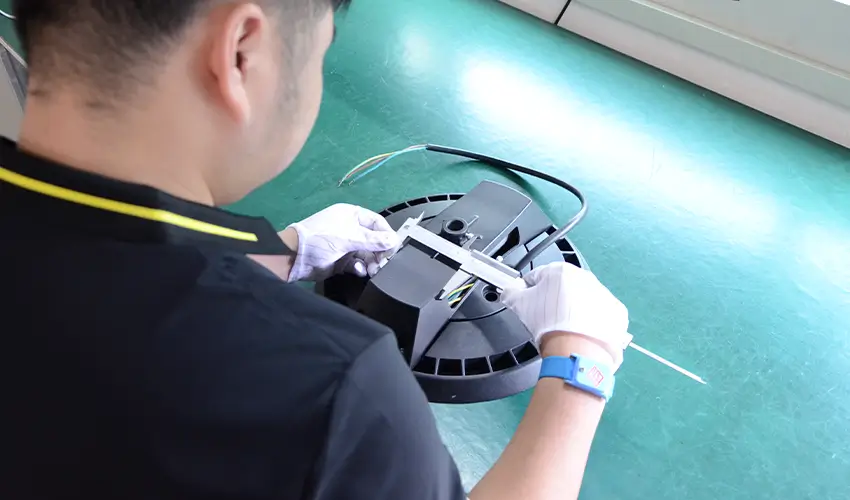

According to market reports, the global LED high bay lighting market is expected to grow at a compound annual growth rate (CAGR) of 7.2% from 2025 to 2033. Driven by the expansion of industrial and commercial infrastructure and the growing demand for energy-efficient lighting solutions, LED high bay lights, offering energy savings, long lifespan, high luminous efficiency, durability, and smart control, have become a preferred choice across a wide range of applications.
In 2026, procurement managers, project decision-makers, and budget planners need to understand current market price ranges. Doing so helps prepare accurate budgets and make better cost-performance decisions. This article provides a comprehensive analysis of the 2026 LED high bay light price range and its key influencing factors, offering practical and professional guidance.
Factors Affecting the Price of LED High Bay Lights
1. Raw Material and Supply Chain Costs
The cost fluctuations of LED chips, drivers, power supplies, and heat dissipation materials are the core factors affecting the price of LED high bay lights. Among these, the prices of housing materials, power modules, and LED chips have the greatest impact on the overall unit cost.
2. Technical Specifications and Product Positioning
Different technical configurations and performance specifications have a significant impact on price:
- Luminous Efficacy (lm/W): Products with higher efficacy command a clear price premium, with strong demand in the high-end market.
- Smart Features: Functions such as motion sensing, dimming, remote control, or IoT connectivity increase unit cost while enhancing product value.
- Ingress Protection (IP Rating): Industrial applications often require IP65 or higher, leading to higher prices.
- Color Rendering Index (CRI) and Color Temperature: Products with high CRI or adjustable color temperature are priced higher to meet specific industrial or commercial lighting needs.
- Power (W): Higher wattage generally results in higher production costs and selling prices.
- Brand and Sales Channel: Well-known brands and retail channels typically sell at significantly higher prices compared to factory-direct supply.
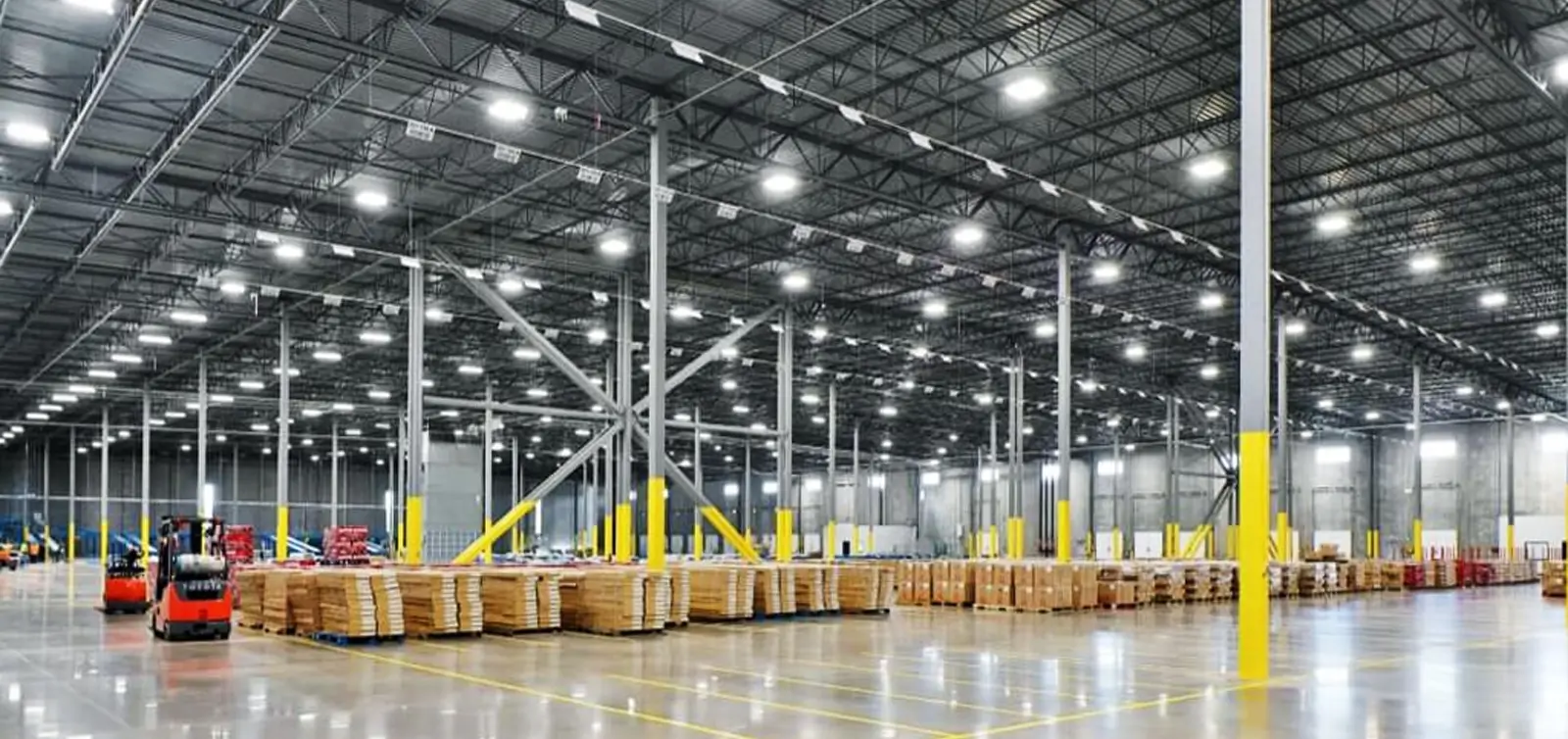
3. Industry Structure and Competitive Landscape
The LED high bay lighting market is highly fragmented, and competition among numerous suppliers has created clear price tiers:
- Low-end standardized products: Intense competition results in transparent pricing with considerable fluctuations.
- High-end customized or system-integrated products: Due to technology, brand, and after-sales service, these products carry a price premium and are relatively stable and higher-priced.
- Online retail channels (B2B platforms): The widespread use of B2B platforms further promotes price transparency, making it easier for buyers to compare and select suitable products.
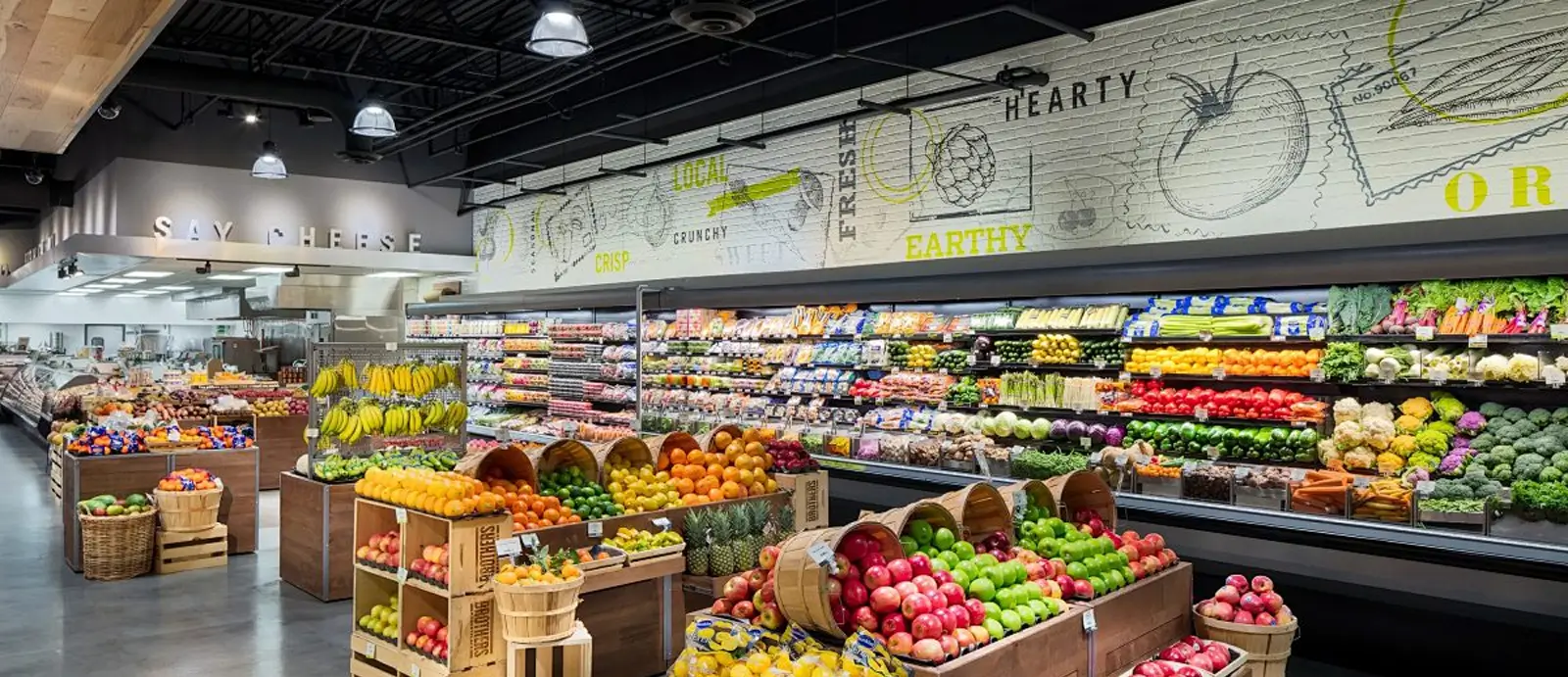
4. Market Supply, Demand, and Inventory Adjustments
Demand side: The expansion of lighting in industrial facilities, warehouses, and large commercial spaces continues to drive growth in demand for LED high bay lights.
Supply side: Production capacity, inventory adjustment cycles, and seasonal purchasing behaviors can cause short-term price fluctuations.
When market supply and demand are balanced, prices remain stable. However, an oversupply or raw material shortage can lead to price decreases or increases.
Market Price Range
In 2026, the market price of LED high bay lights varies significantly depending on wattage, configuration, and procurement channels. Below is a comparison of the current market reference prices and factory-direct supply prices:
Standard Market Price Range (Reference)
- 100W: approximately $40–$60 per unit
- 150W: approximately $55–$80 per unit
- 200W: approximately $70–$100 per unit
Factory-Direct Supply Price (Reference)
- 100W: approximately $20–$30 per unit
- 150W: approximately $25–$65 per unit
- 200W: approximately $27–$72 per unit
Cost-Performance and Procurement Recommendations
In the 2026 LED high bay lighting market, price alone is no longer the sole decision-making factor. Overall cost-performance (Performance/Cost Ratio) has become the core criterion for procurement evaluation. Rather than simply opting for the lowest-priced products, it is recommended to consider the following key dimensions:
1. Prioritize overall performance rather than focusing solely on price
Under the same wattage, emphasis should be placed on comparing luminous efficacy (lm/W), driver stability, and heat dissipation design. While high-performance products may have a slightly higher initial purchase cost, they offer advantages in energy consumption and maintenance costs, making them more cost-effective in the long term.
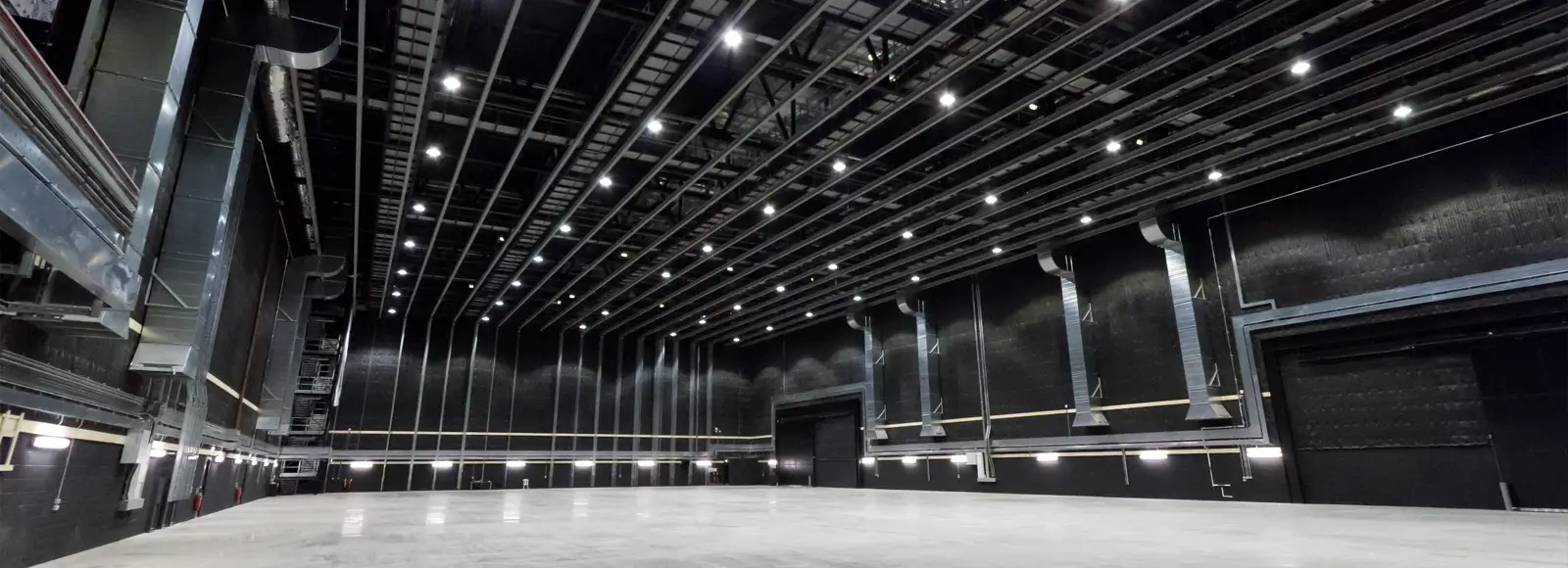
2. Select the appropriate configuration based on the application scenario
- Standard warehouses/workshops: Standard configuration products are sufficient, helping to control procurement costs.
- High-temperature or dusty environments: It is recommended to select products with a higher ingress protection rating (e.g., IP65+).
- Smart warehouses/industrial automation scenarios: Prioritize models with sensing or intelligent control features.
Properly matching the product configuration to the application scenario helps avoid over-specification or under-configuration issues.
3. Focus on Supply Chain Reliability and Product Stability
Reliable suppliers not only offer more competitive pricing but also ensure product consistency and stable lead times. Especially for large-scale projects, consistent quality is more important than achieving the lowest one-time cost.
4. Leverage Direct-from-Factory Supply to Reduce Procurement Costs
Working directly with a reliable manufacturer is an effective way to reduce procurement costs while maintaining product quality and consistency. TUBU stands out with its competitive pricing, stable product performance, and flexible customization capabilities, making it a strong choice for engineering projects and long-term procurement.
As a professional LED lighting manufacturer certified with ISO 9001 and ISO 14001, TUBU has focused on industrial lighting since 2014, offering a full range of products including LED high bay lights, tri-proof lights, and floodlights. All products comply with CE, RoHS, ETL, and DLC standards and are backed by a 5-year warranty.
With an experienced engineering and sales team, TUBU also provides fast response, customized solutions, and free Dialux lighting design services—helping customers reduce costs, minimize risks, and achieve more efficient and reliable project delivery.
5. Comprehensive Evaluation of Total Cost of Ownership (TCO)
It is recommended to evaluate from a total cost of ownership (TCO) perspective, including:
- Energy savings (higher efficacy products consume less power)
- Maintenance and replacement costs (longer lifespan products offer greater advantages)
- Installation and after-sales service costs
From a long-term operational standpoint, the most cost-effective option is often not the cheapest upfront, but the one with the lowest overall lifecycle cost.
Purchasing Channels and Key Considerations
In the 2026 LED high bay lighting market, the choice of purchasing channel directly impacts product pricing, quality, and overall service experience. Each channel has its own advantages and limitations, so it is recommended to select the most suitable option based on specific project requirements.
Mainstream Purchasing Channels
- Direct from Manufacturers: Ideal for bulk purchases and engineering projects. Offers more competitive pricing and supports customization, but usually comes with minimum order quantity (MOQ) requirements.
- B2B Platforms (such as Alibaba): Provide a wide range of products with transparent pricing, making it easy to compare multiple suppliers. However, careful evaluation of supplier qualifications is essential.
- Local Distributors / Brands: Suitable for small-volume or urgent purchases. They offer faster delivery and more convenient after-sales support, but typically at a higher price point.
Key Factors to Consider When Purchasing
Product Certification and Compliance: Ensure the products carry relevant certifications such as CE, RoHS, ETL, and DLC, especially for export or project-based applications, to avoid potential compliance risks.
Authenticity of Key Specifications: verify critical parameters such as luminous efficacy (lm/W), power rating, lifespan, and driver brand to prevent overstated claims that may affect actual performance.
Quality and Warranty Policy: Prioritize products with a 3–5 year warranty, and review the supplier’s after-sales service, response time, and spare parts support.
Sample Testing and Pilot Orders: Before large-scale procurement, conduct sample testing or small-batch trials to validate product performance and reliability.
Lead Time and Supply Capacity: Confirm the supplier’s production capacity and delivery timelines, especially for large projects, to avoid delays that could impact project schedules.
Conclusion
In 2026, the price of LED high bay lights varies depending on factors such as wattage, configuration, and purchasing channels. The general market price typically ranges from $40 to $100 per unit, while direct-from-manufacturer sourcing can reduce costs to around $20 to $70 per unit under bulk purchasing conditions.
However, price should not be the only deciding factor. For most commercial and industrial projects, evaluating the total cost of ownership (TCO), including energy efficiency, lifespan, maintenance, and reliability, is far more critical. In many cases, the most cost-effective solution is not the lowest upfront price, but the one that delivers the best long-term value and performance.