
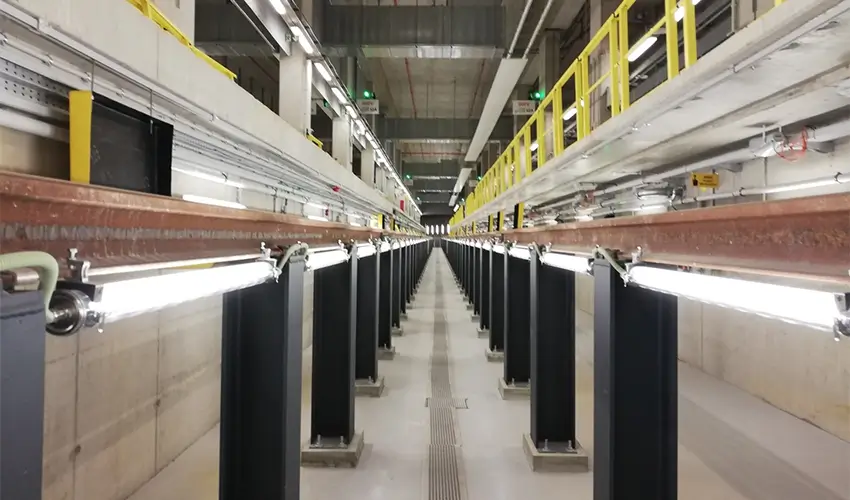

An LED tri-proof light is a type of lighting fixture specifically designed for harsh and demanding environments, featuring three core protections: waterproof, dustproof, and corrosion-resistant.
In simple terms, when conventional lighting cannot operate reliably over the long term, tri-proof lights offer a more dependable solution. If you are looking for lighting suitable for specific environments, this article will help you quickly understand the working principles, applications, and key selection factors of tri-proof lighting.
How Do LED Tri-Proof Lights Work?
The working principle of LED tri-proof lights lies in the combination of sealed structural design and environment-resistant materials, which effectively isolate moisture, dust, and corrosive substances from the internal electrical components, ensuring long-term stable operation.
From a structural perspective, tri-proof lights typically adopt high protection ratings (such as IP67/IP69K). Through components like sealing gaskets, clip-lock structures, and waterproof connectors, they prevent external water and dust from entering the fixture, thereby avoiding electrical failures and lumen depreciation caused by contamination or humidity.
In terms of materials, depending on the application environment, the fixtures are made with corrosion-resistant materials or protective coatings to withstand corrosive agents such as ammonia, salt spray, and chemical gases. For example, in environments like livestock farms, chemical plants, or coastal areas, this design effectively prevents housing degradation, brittleness, or failure.
Therefore, the essence of tri-proof lighting is not simply “more durable,” but rather an engineered solution that minimizes environmental impact on the lighting system through optimized structure and material selection.
Why Use Tri-Proof Lighting?
LED tri-proof lighting is not just a lighting product, but a highly efficient solution designed for complex and demanding environments. Compared to traditional lighting, it offers clear advantages in energy efficiency, reliability, and service life.
It not only ensures operational safety but also enhances system stability while reducing maintenance costs, enabling more efficient and energy-saving long-term performance.
Consider a real-world scenario: if a lighting system experiences a large-scale failure during operation, it can disrupt productivity and even pose safety risks. Therefore, in industrial and other demanding applications, adopting tri-proof lighting has become a necessary and more cost-effective choice.
Where Are Tri-Proof Lights Used?
Common application scenarios include:
- Industrial plants/workshops: Environments with dust, oil contamination, and vibration, requiring high stability.
- Warehouses/logistics centers: Long operating hours, with maintenance costs as a key consideration.
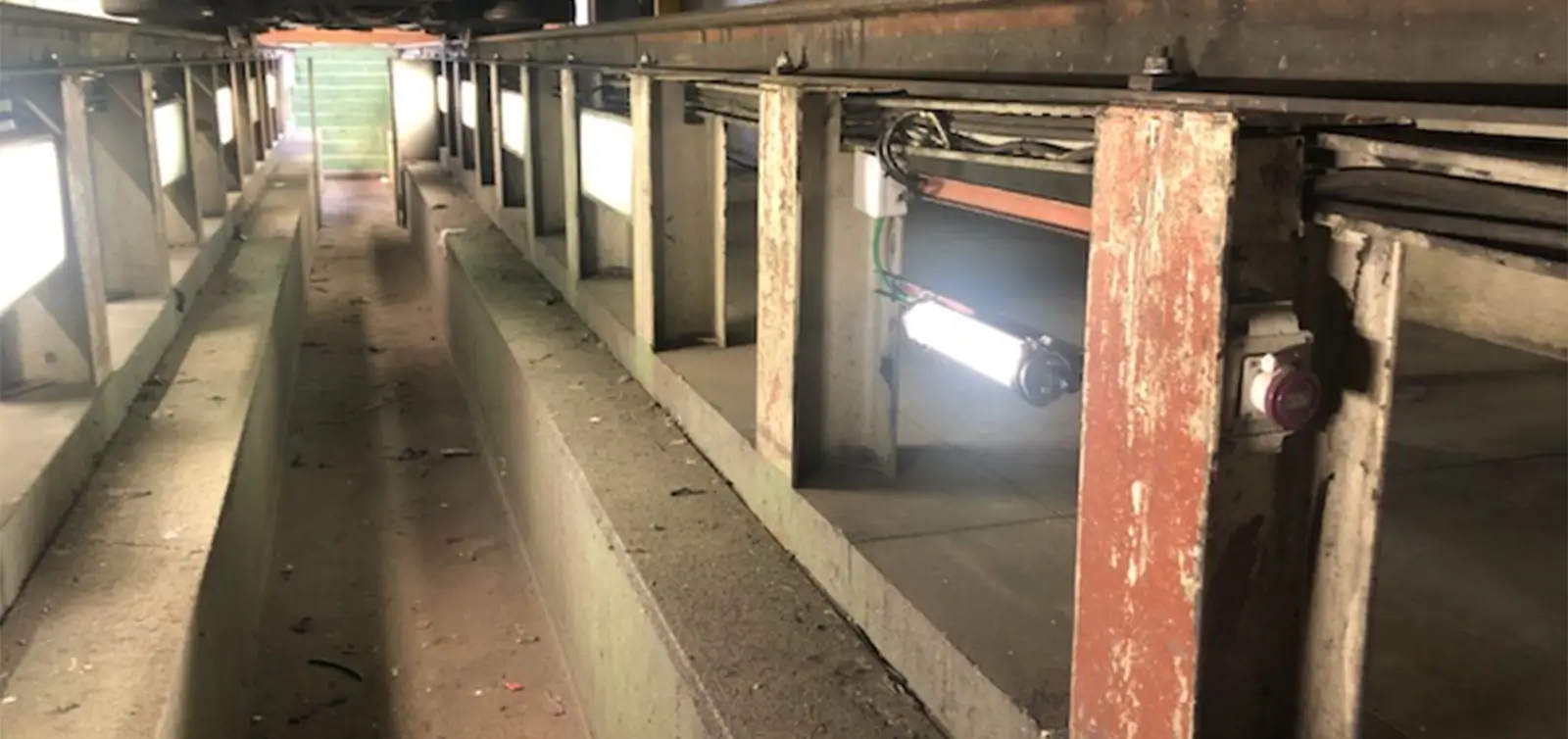
- Underground parking areas: Humid and poorly ventilated environments with high requirements for waterproof and dustproof performance.
- Food processing facilities: Require frequent washing, including high-pressure cleaning (IP69K).
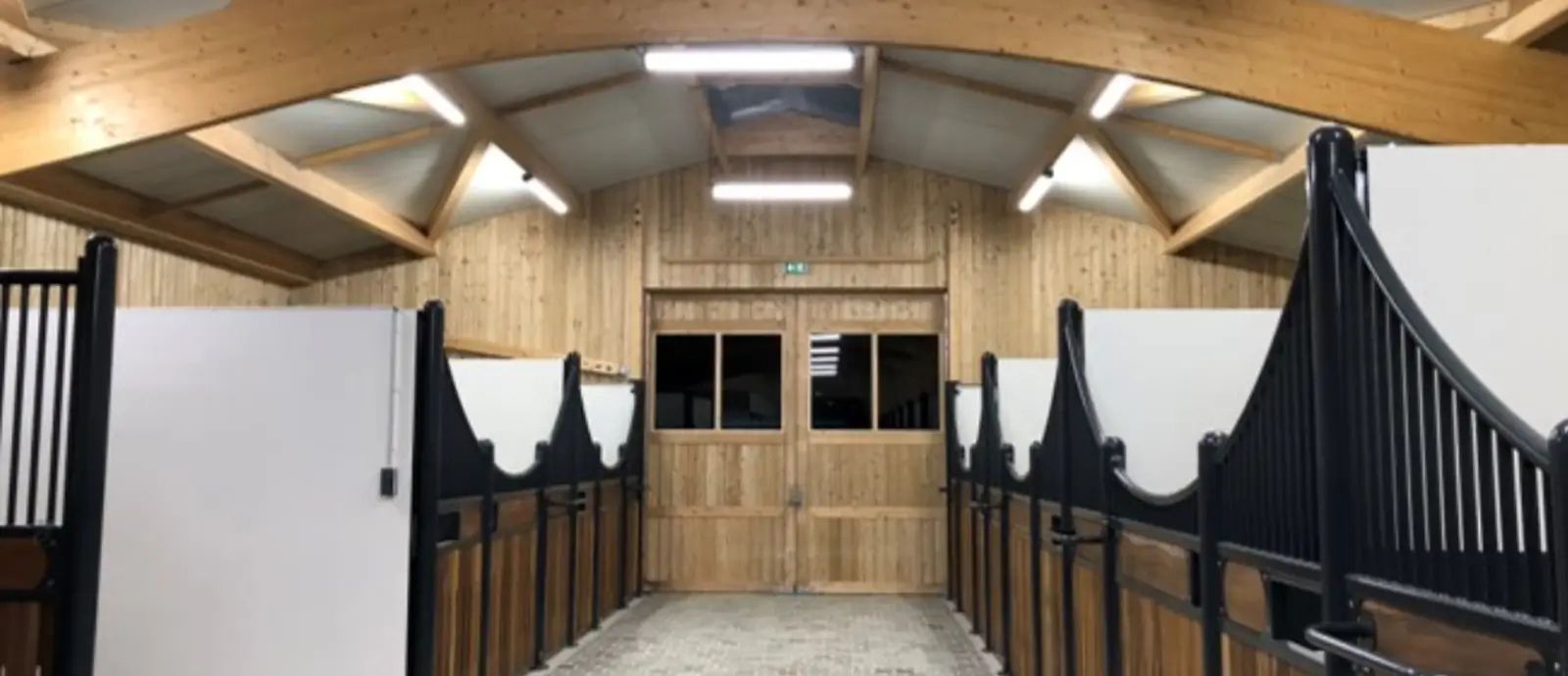
- Agriculture/livestock farms: Presence of ammonia and high humidity, requiring strong corrosion resistance.
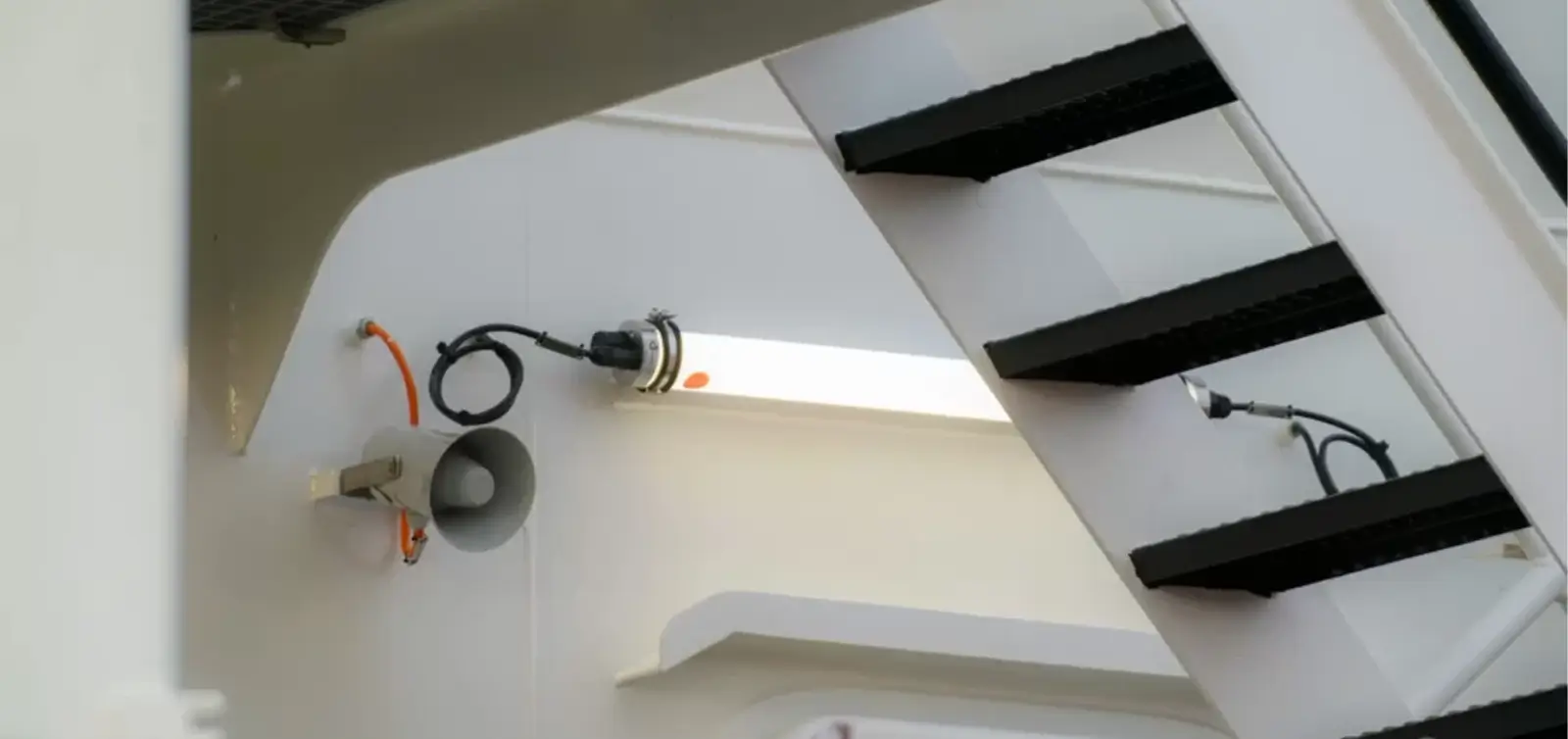
- Coastal/marine environments: Long-term exposure to salt spray, demanding highly durable materials.
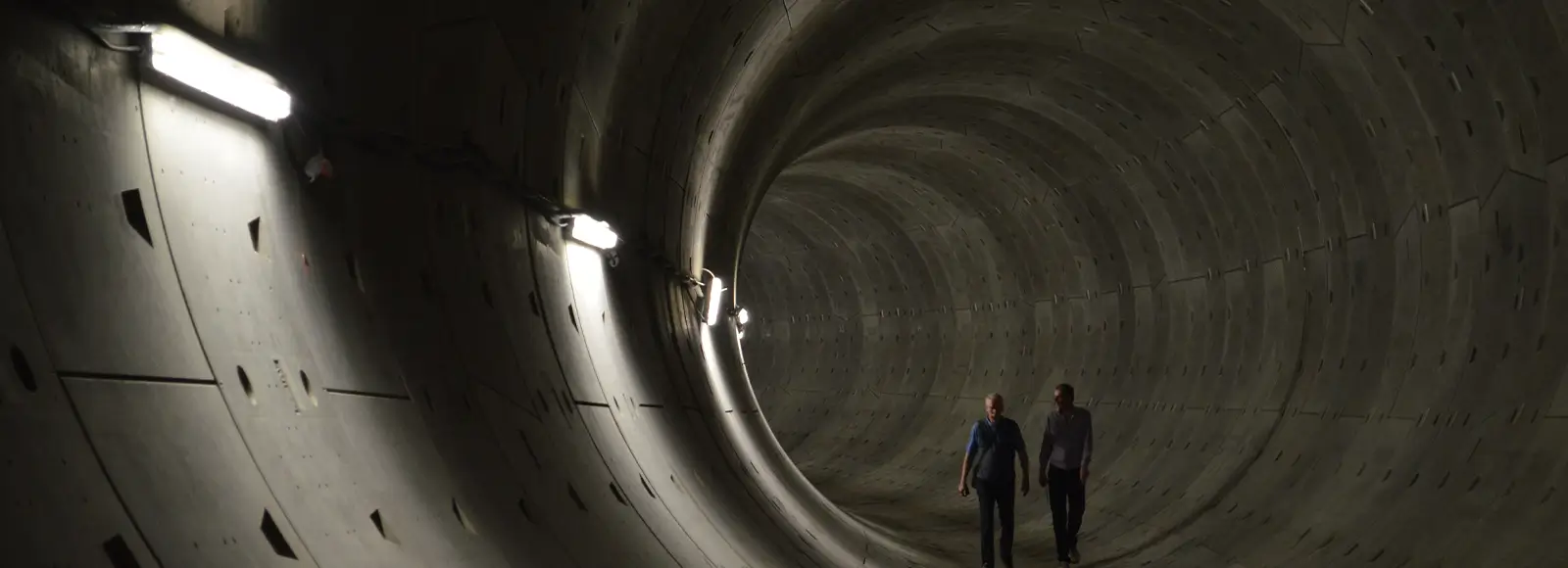
- Tunnels/subways/underground spaces: High dust levels and humidity, with strict reliability requirements.
Key Features of Tri-Proof Lights
1. Lower Energy Consumption and Significant Electricity Savings
Tri-proof lights use high-efficiency LED light sources to deliver excellent illumination while significantly reducing energy consumption. Compared to traditional lighting, overall energy usage can be reduced by approximately 50%–80%.
2. Low Maintenance Cost and Long Lifespan
Tri-proof lights typically offer a service life of over 50,000 hours, resulting in lower replacement frequency and reduced maintenance costs compared to conventional lighting.
Some models feature a modular design (separate driver and light source), allowing faulty components to be replaced individually without replacing the entire fixture, further reducing spare parts and maintenance investment.
3. Reliable Performance in Harsh Environments
Tri-proof lights are constructed with weather-resistant materials such as PMMA, PC, or specialized glass, combined with sealed structures and anti-corrosion design, ensuring stable operation in most industrial and outdoor environments.
For specific projects, manufacturers can provide integrated solutions and optimized configurations to better match demanding environmental conditions and real-world application requirements.
4. Stable Electrical Performance
Tri-proof lights adopt a constant-current driver design, maintaining stable illumination even under voltage fluctuations and preventing flickering or abnormal lumen depreciation.
The driver typically integrates over-voltage, over-current, and short-circuit protection, automatically adjusting or cutting off abnormal output during power instability or surges, ensuring system safety and reliability.
5. Comfortable Lighting with Reduced Visual Fatigue
In indoor industrial or long-duration working environments, some tri-proof LED fixtures incorporate low-glare optical designs, meeting visual comfort standards such as UGR <19 / <16, helping to reduce eye strain during extended use.
6. Efficient Heat Dissipation Design
Tri-proof lights typically feature integrated high thermal conductivity structures, where the fixture housing also serves as a heat dissipation channel, combined with optimized thermal pathways to effectively reduce operating temperature.
7. Flexible Installation and Expandability
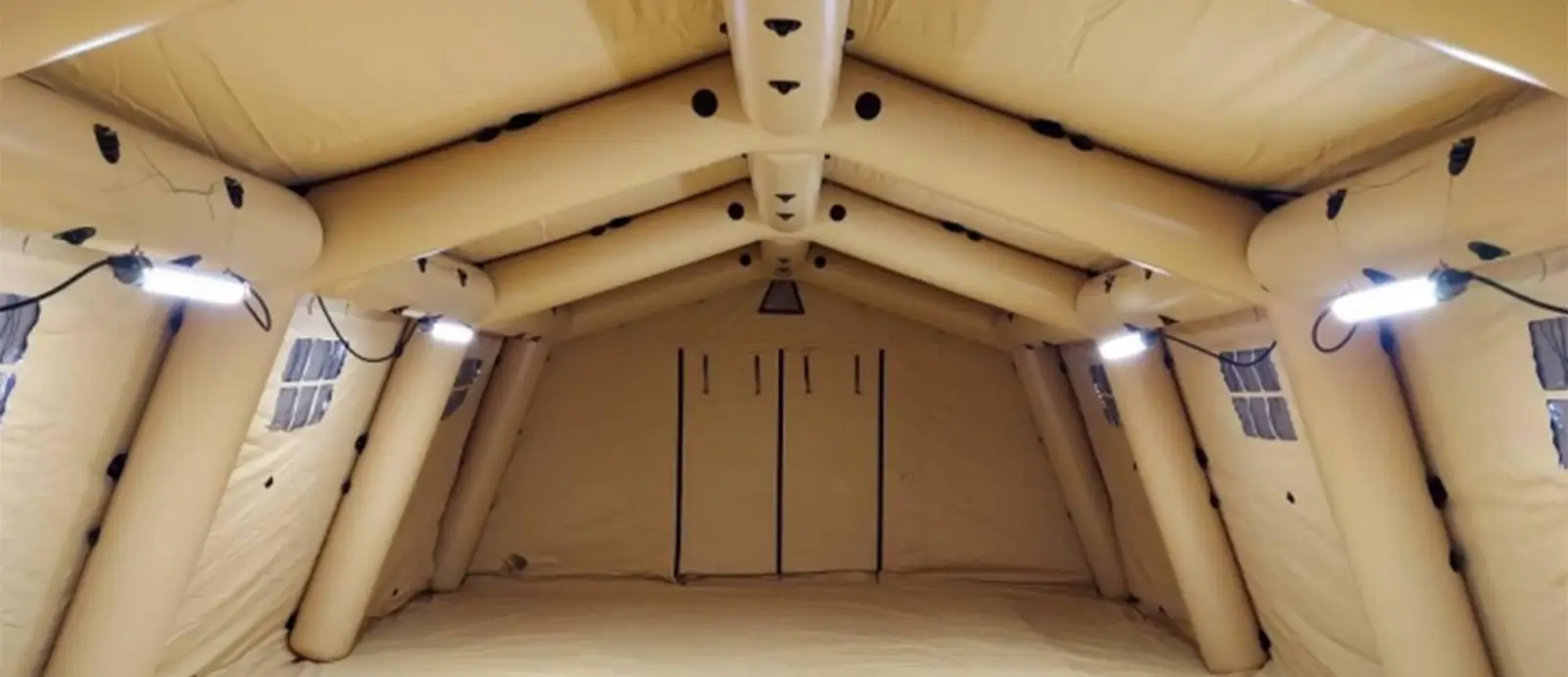
Tri-proof LED lights are typically installed in two ways: suspended or ceiling-mounted. They can also be equipped with microwave sensors, dimming functions, and other smart control features to enhance energy efficiency and enable intelligent operation.
Additionally, manufacturers can provide customized solutions to meet specific installation environments and project requirements.
How to Choose Tri-Proof Lights? 3 Practical Methods
Method 1: Contact a Professional Lighting Manufacturer
Find tri-proof lighting manufacturers through search engines or social media, and submit your project requirements (such as application environment, installation method, budget, etc.). The manufacturer can then provide a tailored solution.
Suitable for: Project-based procurement/engineering projects/bulk purchasing
Key considerations:
- Whether the products have valid certifications (e.g., CE, RoHS, IP, IK)
- Whether the manufacturer has experience in similar industries (e.g., food processing, livestock farming)
- Whether customization (OEM/ODM) is supported
- Whether a complete technical solution is provided, not just a quotation
Core idea: Choose a manufacturer that can deliver solutions, not just sell products.
Method 2: Compare Product Specifications on E-commerce Platforms
Search for tri-proof lights on platforms such as Alibaba or Amazon, and compare products based on specifications (e.g., IP rating, luminous efficacy, materials).
Suitable for: Small-batch purchasing / standardized requirements / quick selection
Key considerations:
- Do not focus only on price—pay attention to IP rating, IK rating, and luminous efficacy (lm/W)
- Verify whether the specifications are accurate (some products may have exaggerated claims)
- Check if detailed technical data or test reports are available
- Be cautious of unreliable reviews or artificially boosted ratings
Core idea: Focus on specifications and certifications, not just sales volume.
Method 3: Refer to Industry Peers or Recommendations
Choose brands or suppliers recommended by peers, partners, or industry contacts who are already using tri-proof lighting.
Suitable for: Industry procurement/projects with reference cases
Key considerations:
- The same product may not suit all scenarios due to environmental differences
- Verify the actual application environment of the reference case
- Avoid blindly following others—always evaluate based on your own requirements
Core idea: Use references as a guide, but do not copy blindly.
Top LED Tri-Proof Options
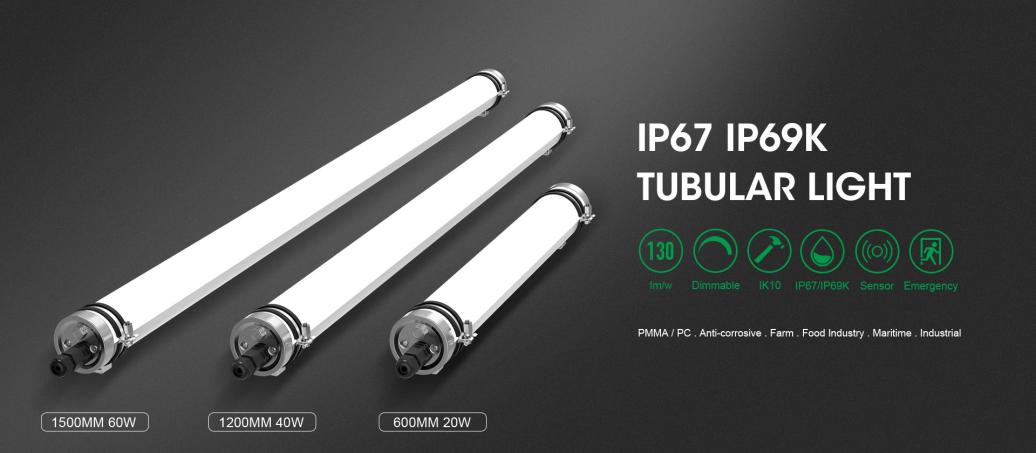
TUBU Tubular IP69K LED Tri-Proof Light
The TUBU L9 is specifically engineered for harsh and demanding environments, integrating waterproof, dustproof, corrosion-resistant, and impact-resistant performance into one solution—making it an ideal choice for high-end applications.
Key Advantages:
- Ultra-high protection rating: IP67 + IP69K, capable of withstanding up to 100 bar high-pressure water cleaning and temperatures up to 80°C
- High-strength structural design: Up to IK10 impact resistance, suitable for industrial and heavy-duty environments
- Excellent corrosion resistance: Resistant to ammonia and salt spray, ideal for livestock farms and coastal areas
- High luminous efficacy: Up to 170 lm/W, significantly reducing energy consumption
- Superior lighting performance: CRI >80, wide 120° beam angle, delivering uniform and stable illumination
- Safe and eco-friendly: Free of mercury, UV, and infrared radiation
- Long lifespan: L80 >54,000 hours, reducing replacement frequency
- Flexible installation: Supports ceiling-mounted or suspended installation, adaptable to various scenarios
Structural Features:
The fixture is available with high-strength PC or PMMA housing, combined with 304/316L stainless steel end caps and mounting brackets, offering excellent corrosion resistance and flame retardancy (UL94 rated), ensuring long-term stable operation in demanding environments.
Applications:
- Factory workshops
- Warehouses
- Outdoor parking lots
- Bus stops
- Logistics centers
- Parks
- Squares
- Scenic spots
- Ships
- Food processing
- Pharmaceutical industry
- Agriculture
- Animal husbandry
- Marine engineering
TUBU Modular LED Tri-Proof Light L10-K
For standard industrial and commercial lighting applications, a cost-effective, low-maintenance modular tri-proof light is often the optimal choice.
The TUBU L10-K modular design, high luminous efficacy, and smart control options ensure reliable performance while further reducing long-term operating costs.
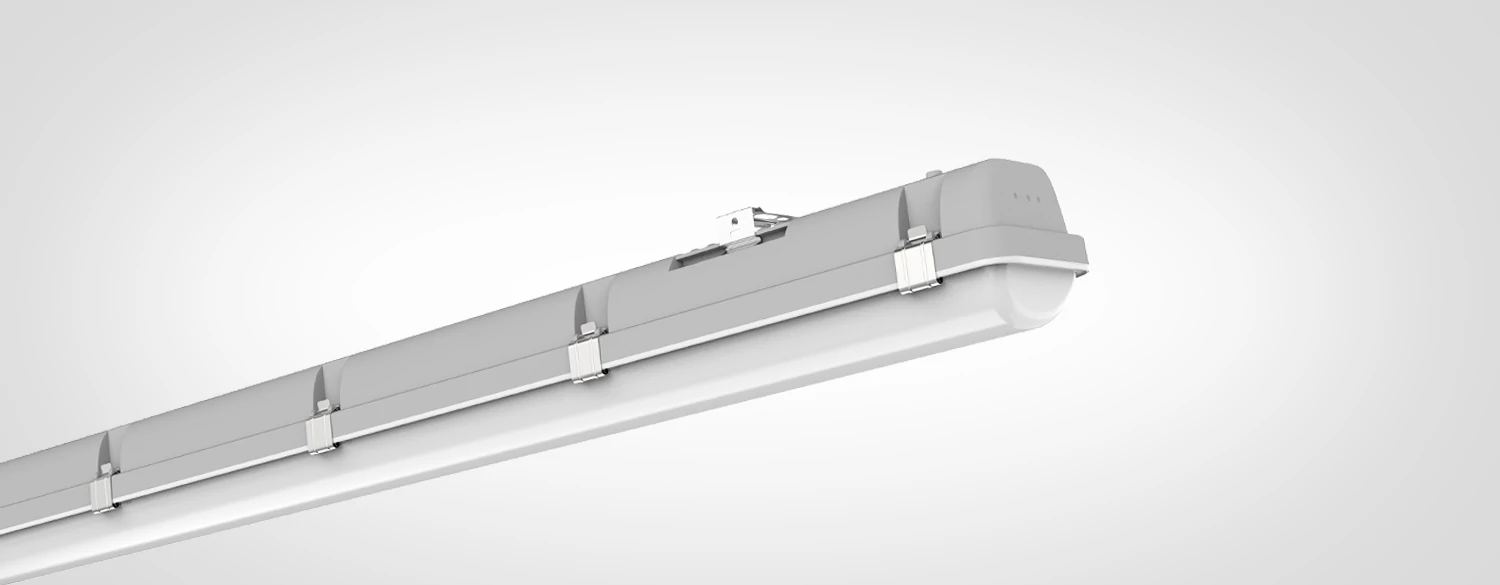
Key Advantages:
- High protection rating: IP66 + IK10, suitable for most industrial and commercial environments
- Modular design: Reduces SKU complexity, simplifies maintenance and replacement, and lowers inventory and operational costs
- High luminous efficacy: 130–185 lm/W, significantly reducing energy consumption
- Flicker-free driver: Enhances lighting comfort, ideal for long-duration applications
- Smart control options: Supports microwave sensors and wireless control for energy savings and automated management
- Emergency lighting function: Optional self-test emergency module (LiFePO₄ battery) for enhanced safety
- Durable structure: PC diffuser with stainless steel clips, improving overall reliability
- Wide operating temperature range: -20°C to +40°C, suitable for various environments
- Easy installation and maintenance: Optimized structure reduces installation time and maintenance difficulty
Applications:
- Application warehouse
- Gymnasium
- Museum
- Corridor
- Exhibition hall
- Underground garage
Conclusion
LED tri-proof lights are professional lighting solutions designed for humid, dusty, and corrosive environments. Their core lies in waterproof, dustproof, and corrosion-resistant structures, ensuring long-term stable operation in demanding conditions.
Compared to traditional lighting, tri-proof lights offer clear advantages in reliability, lifespan, and maintenance cost, making them an essential lighting solution for industrial, agricultural, and other specialized applications.
In simple terms, when conventional lighting cannot operate reliably, tri-proof LED lights are the more dependable choice. If you’d like to learn more, continue reading this ultimate guide to LED tri-proof lighting.
If you are looking for the right lighting solution for your project, feel free to contact us for professional recommendations tailored to your specific application needs.
FAQ
1. What Types of Tri-Proof Lights Are There? How Are They Classified?
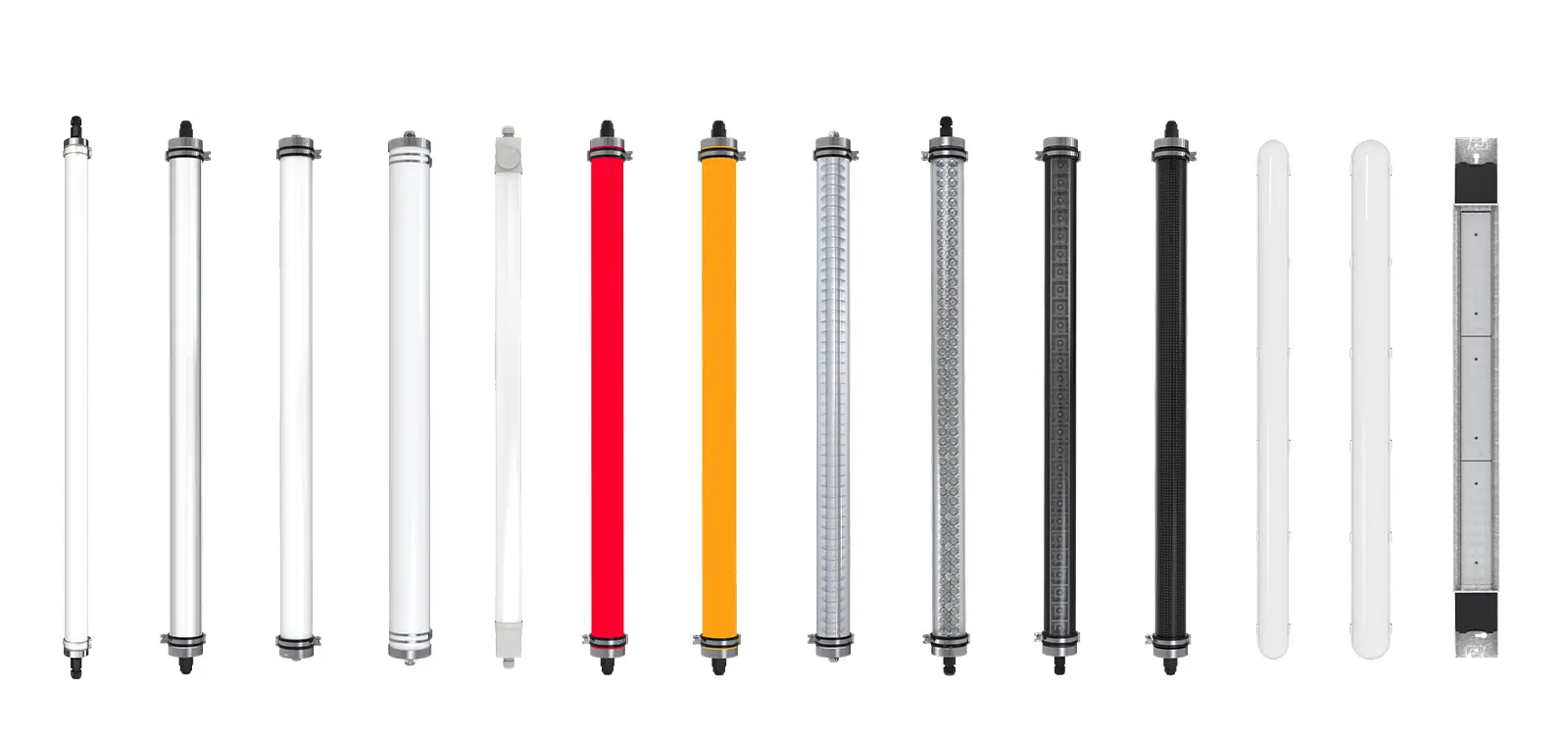
- LED Tri-Proof Lights: Typically feature an aluminum housing with a die-cast structure, combined with a PC or PMMA diffuser
- Fluorescent Tri-Proof Lights: Designed with a sealed housing and equipped with fluorescent tubes (usually 1–4 tubes)
- Integrated Tri-Proof Lights: The light source, driver, and fixture are integrated into a single unit
- Stainless Steel / Aluminum Tri-Proof Lights: Built with aluminum alloy or stainless steel housing and die-cast construction
- Linear Tri-Proof Lights: Designed with a slim, linear structure for uniform light distribution
- High Protection Rating Tri-Proof Lights (e.g., IP67/IP69K): As the name suggests, these offer superior ingress protection performance
- Corrosion-Resistant Tri-Proof Lights: Made with anti-corrosion materials (such as PC or specialized glass) to withstand harsh environments
2. What Are the Special Application Scenarios for LED Tri-Proof Lights?
Tri-proof lights can also be used in specialized application scenarios such as farms, wine cellars, laboratories, and steel plants.
For example:
- TUBU Red & White LED Tubular Light: Suitable for livestock farming environments. The combination of red and white light can be used for poultry photoperiod management and behavior regulation, helping to maintain stable growth and productivity.
- TUBU Wine Cellar LED Tubular Light: Equipped with a specially designed amber LED module, it reduces light-induced reactions caused by riboflavin, helping to protect the quality of wine and champagne.
- TUBU L9 LED Tubular Light: Supports optional special glass tube configurations, making it suitable for environments with large temperature fluctuations and high corrosion requirements.
3. What Tests Are Conducted for LED Tri-Proof Lights?
- Photometric, colorimetric, and electrical performance testing
- IES photometric testing
- Goniophotometer testing
- Multi-point temperature testing
- UV accelerated aging test
- IK impact resistance test
- Constant temperature and humidity test
- IP69K high-pressure water spray test
- IP65 / IP66 water spray test
- Salt spray test
- Electric thermostatic drying test
- Glow wire test